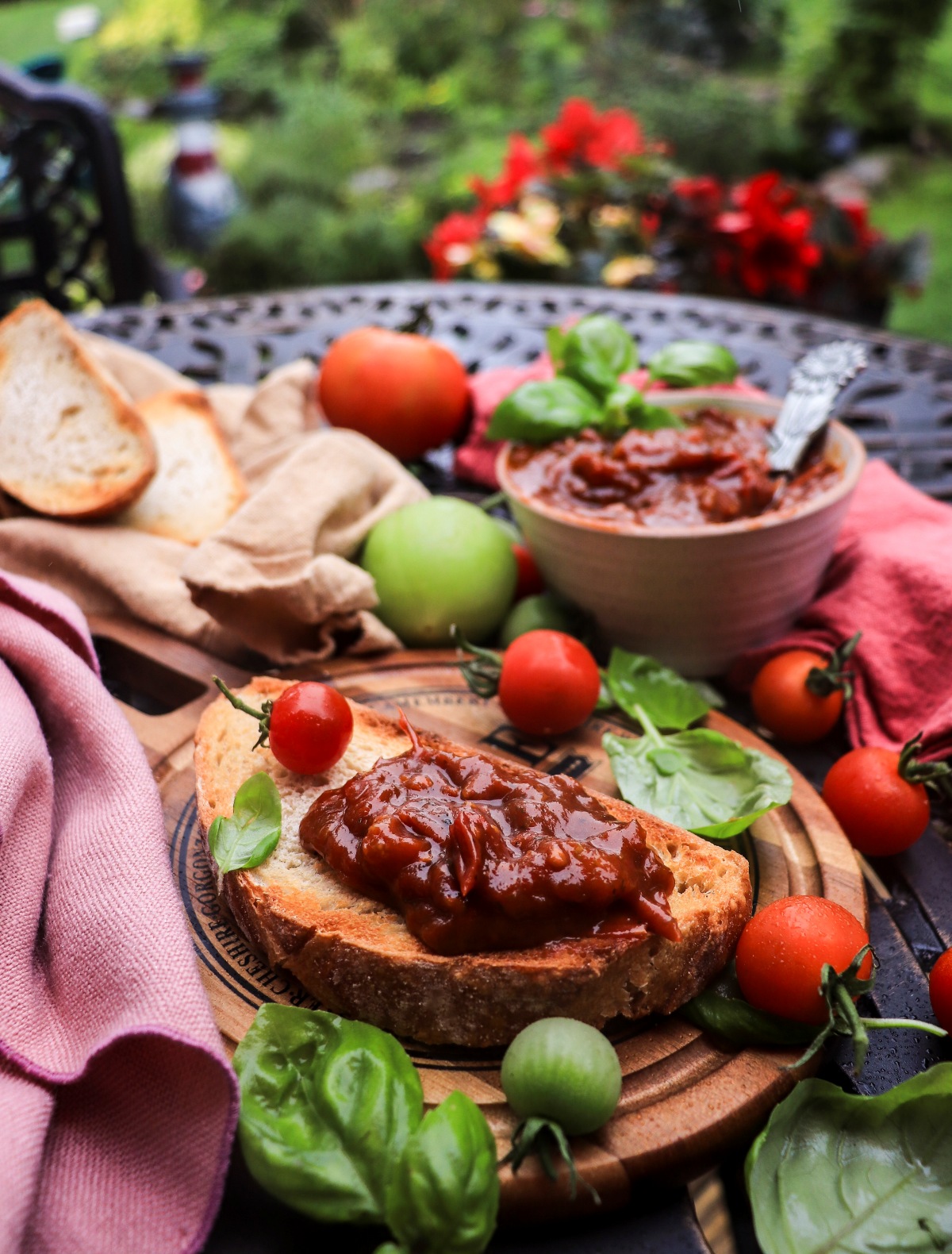
This porcini mushroom spread turns king boletes into a deeply savoury, coarse-textured spread with shallots, garlic, butter, olive oil, thyme, and just a hint of smoky warmth. It is rustic, concentrated, and especially good on toasted bread.

Hey folks – I hope you all are doing well!
After using our wild porcini for bruschetta and pasta, I wanted a preparation that concentrated their flavour even further. This porcini mushroom spread is cooked longer, partially blended, and kept deliberately coarse, somewhere between a rustic porcini spread and a porcini mushroom pâté. It still feels very much like a wild mushroom spread rather than a smooth purée. So, let’s dive into!
Porcini In European Cooking
Porcini, also known as king boletes, have a long place in European cooking because their flavour stays distinctive whether they are sautéed, dried, simmered, or cooked into sauces and fillings. Their meaty texture and deep woodland flavour make them especially useful in simple preparations where the mushrooms remain the focus.
- Italian cooking. Porcini are widely paired with pasta, risotto, polenta, crostini, and simple butter- or olive oil-based sauces.
- Central and Eastern Europe. Wild boletes often appear in sauces, dumpling fillings, mushroom mixtures, and preserved preparations.
- Mushroom spreads. Finely chopped or blended mushroom mixtures appear in several European traditions, where longer cooking concentrates flavour and improves texture.
- Mushroom caviar connection. This recipe loosely recalls Slavic mushroom caviar in method, but it is not intended as a traditional version. Using porcini gives the spread a more delicate flavour and softer texture.

Rustic Porcini Mushroom Spread – Deep, Savoury, and Coarse-Textured
This porcini mushroom spread is intentionally rustic. The mushrooms are chopped before cooking, reduced until most of their moisture is gone, and then run through an immersion blender only a few times. The goal is not a smooth purée, but a cohesive, spreadable mixture with visible mushroom texture and an almost jammy consistency.
Why Porcini Work So Well In A Spread
Porcini are particularly well suited to this style of recipe because their flavour remains clear even after longer cooking. As the moisture cooks away, their earthy, savoury character becomes more concentrated while their subtle natural sweetness remains noticeable.
King boletes also soften enough to bind easily without needing cream or cheese. A few passes with an immersion blender bring everything together while leaving enough texture to keep this rustic porcini spread recognizably mushroom-based rather than completely smooth.
- Deep flavour. Longer cooking concentrates the porcini without requiring a long list of additional ingredients.
- Coarse texture. Partial blending binds the mixture while keeping enough mushroom pieces to make the finished spread feel rustic.
Porcini, Butter, Garlic, And Herbs
The flavouring is restrained so the mushrooms stay at the centre. Butter rounds out the natural sweetness of porcini, while olive oil adds richness and keeps the spread supple. Shallot and garlic build savoury depth without overwhelming the mushrooms.
Fresh thyme is the main herb. I also used just a touch of smoked paprika and chipotle, enough for a faint smoky warmth but not enough to make the porcini mushroom spread noticeably spicy or smoky.

Ingredients You’ll Need For Porcini Mushroom Spread with Thyme and Shallots
The ingredient list is short, and most of the character comes from how the mushrooms are cooked. Think of it as a porcini spread with thyme, shallot, garlic, and just enough spice to add background warmth.
- Porcini mushrooms. Fresh or frozen porcini both work. Chop them fairly finely before cooking.
- Shallot. Adds mild sweetness and helps build the savoury base.
- Garlic. Keep it moderate so it supports rather than dominates the mushrooms.
- Olive oil and butter. Together they provide richness, help the mushrooms cook down, and keep the finished spread supple.
- Fresh thyme. The primary herb in this porcini spread.
- Smoked paprika. Use only enough for a faint smoky undertone.
- Chipotle. Adds subtle warmth rather than noticeable heat.
- Salt and black pepper. Keep the seasoning simple and adjust after the mushrooms have reduced.
Fresh Or Frozen Porcini?
Frozen porcini work especially well for porcini mushroom spread because perfect shape and firmness are not important here. They may release more liquid than fresh mushrooms, but the longer cooking stage naturally deals with that extra moisture.
- Allow extra time. Frozen mushrooms may need a few additional minutes before they begin to concentrate.
- Do not worry about softness. A softer texture is useful in a spread that will be partially blended.
- Watch the consistency. Continue cooking until the mixture no longer looks watery and begins to look cohesive.

How To Make Porcini Mushroom Spread
Chop the porcini fairly finely before cooking. Gently cook the shallot and garlic in olive oil and a little butter, then add the mushrooms and thyme. Continue cooking over moderate heat until the mushrooms release their moisture and most of that liquid evaporates.
Keep cooking until the mixture becomes deeply concentrated and almost jammy, roughly 15–25 minutes depending on the moisture in the mushrooms. Add the smoked paprika, chipotle, salt, and black pepper toward the end.
Run an immersion blender through the mixture only a few times. Stop while the porcini mushroom spread is still coarse and textured, then add a little more olive oil if needed for a looser, more spreadable consistency.
- Cook out the moisture. The mixture should remain moist but should not look watery.
- Blend sparingly. A few short passes are enough to bind the mushrooms while preserving their rustic texture.
- Adjust at the end. Add olive oil gradually if the spread feels too firm after blending.
How To Serve Porcini Mushroom Spread
This porcini mushroom spread is rich enough that simple accompaniments work best. As a mushroom spread for toast or crostini, it has enough depth to stand on its own without cheese or cream. Toasted bread is my favourite because its crisp texture contrasts nicely with the soft, coarse mushroom mixture.
- Rustic bread. Toasted sourdough or another sturdy country-style loaf works particularly well.
- Crostini. Smaller slices make a natural appetizer or snack.
- Crackers. Choose fairly neutral crackers so the porcini remain the dominant flavour.
- Roasted vegetables. A small spoonful also works alongside roasted potatoes or other simple vegetables.
More Wild Mushroom Recipes
If you enjoy this rustic porcini spread, you may also like:
- Porcini Bruschetta with Shallots, Garlic, and Herbs
- Porcini Pasta with Shallots, Garlic, and Thyme
- Fried Potatoes with Wild Mushrooms and Onions
- Wild Mushroom Caviar – Eastern European Mushroom Spread
- Porcini Mushroom Potato Soup with Sage and Smoked Paprika
I’d love for you to try this rustic wild porcini mushroom spread. If you give it a go, please share your results in the comments, message me on Instagram, or post your photos with the hashtag #havocinthekitchen. I look forward to seeing your creations and hearing your thoughts.
Cheers!


Rustic Porcini Mushroom Spread
A coarse, savoury porcini mushroom spread with king boletes, shallot, garlic, thyme, butter, and olive oil, finished with just a hint of smoked paprika and chipotle.