

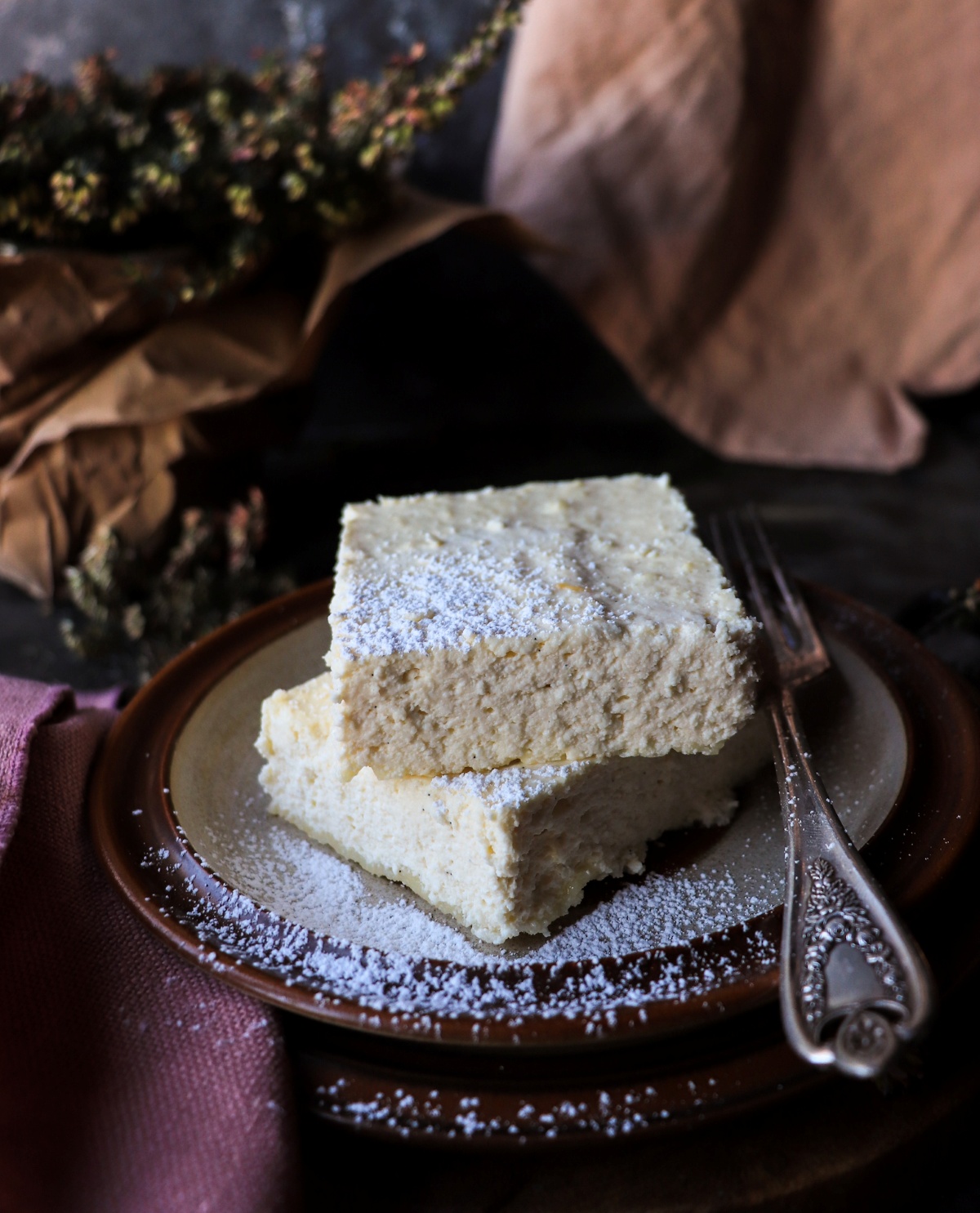
Cottage cheese casserole is a versatile, high-protein bake that can be made in several ways, depending on the type of cheese you use and the texture you prefer. This cottage cheese casserole covers three approaches – pressed cottage cheese (tvorog), curd cottage cheese, and a lighter Greek yogurt version – each offering a slightly different result, from dense and rustic to soft and creamy.

Hey, folks – I hope you all are doing well. Today I want to share one of those recipes I’ve been making for years – cottage cheese casserole in a few different styles. I often prepare a large batch to enjoy throughout the week, as it works beautifully for easy breakfasts or quick, protein-rich snacks.
Why You’ll Love This Breakfast Cottage Cheese Casserole
- High-protein. Cottage cheese, especially pressed tvorog, naturally provides a protein-rich base.
- Versatile. This cottage cheese casserole can be made with different types of cheese, resulting in noticeably different textures and flavours.
- Texture control. From dense and rustic to light and creamy, you can easily adjust the result.
- Breakfast or dessert. It works equally well as a wholesome breakfast, snack, or light dessert.
- Make-ahead friendly. This casserole keeps well in the fridge for up to 4–5 days, making it perfect for batch cooking and busy mornings.
Two Types of Cottage Cheese Explained
It’s important to understand that “cottage cheese” can mean different things depending on where you are.
Pressed Cottage Cheese (Tvorog / Farmer’s Cheese)
- Low moisture, smaller curds, dense, and compact.
- Often labelled as farmer’s cheese or dry curd cottage cheese. Also known as European-style cottage cheese.
- It also tends to be more acidic and tangy.
- Naturally higher in protein. It approximately contains 26 g protein per 125 g, while curd cottage cheese has about 14 g of protein.
- Produces a firmer, more structured casserole with clearly visible curds.
If you are using very low-fat tvorog (for example, around 0.8%), expect a more pronounced cottage cheese texture. Higher-fat versions will yield a softer, creamier, and more cohesive result.
Curd Cottage Cheese (North American Style)
- Contains visible curds suspended in whey.
- Much higher moisture content.
- Is generally mild, with a sweet-tangy aftertaste.
- Softer and more delicate in baking.
This version tends to produce a casserole that feels more familiar and slightly custardy, although it requires a bit more attention to moisture control.
Eastern European Roots: Between a Casserole and Zapekanka
This cottage cheese casserole sits somewhere between a classic North American casserole and an Eastern European dish known as zapekanka. While the format – a baked, sliceable dish – fits the idea of a casserole, the ingredients and flavour profile are closer to traditional tvorog-based bakes (also known as babka) found across Eastern Europe.
In countries like Ukraine and Russia, zapekanka is a lightly sweet baked dish made with pressed cottage cheese (tvorog), eggs, and typically semolina, which helps create a more structured and cohesive texture. It’s often enriched with raisins and a touch more sweetness, then served with sour cream, jam, or fruit. The result is a firm yet tender slice that feels somewhere between a baked pudding and a simple cheesecake.
By contrast, what is commonly called a “cottage cheese casserole” in North America is usually a savoury breakfast-style bake, often made with eggs, cheese, vegetables, and sometimes bread or potatoes. These versions are hearty and salty, and quite different in both flavour and intent from the sweet, dessert-like approach used here.
This recipe bridges the two ideas. It keeps the familiar casserole format while leaning into the Eastern European tradition, especially in the tvorog version. At the same time, it introduces more flexibility, allowing for lighter or softer textures depending on the ingredients used.
If you’d like to move closer to a more traditional zapekanka-style result, you can:
- Include semolina as a key structural ingredient rather than a small addition.
- Increase the sweetness slightly, depending on your preference.
- Add raisins, which are commonly used in classic versions.
These small adjustments will give you a firmer, more cohesive casserole with a distinctly traditional character, while still fitting naturally within the broader concept of a cottage cheese casserole.

Flavour and Texture Profile
This sweet cottage cheese bake casserole can range from rustic to refined. The tvorog version is the most traditional: dense, slightly dry, and very much “itself,” with clearly defined curds and a pronounced dairy flavour. In contrast, the curd cottage cheese version is softer, more delicate, and less distinctly “cottage cheese” in taste.
Meanwhile, the yogurt version sits comfortably in between. It softens the curds, lightens the texture, and creates a more cohesive and gently creamy result. As a result, it can even be served as a lighter dessert, especially when paired with fresh berries or a drizzle of maple syrup.
Texture Guide: Choosing Your Version for Cottage Cheese Casserole
Each type of cottage cheese leads to a different style of cottage cheese casserole. While all three are excellent, they highlight different textures and flavours.
| Tvorog | Dense, firm, and slightly crumbly | High | Low | Strong, dairy-forward | Breakfast |
| Curd | Soft, slightly chewy (thanks to curds) | Low | High | Mild | Breakfast / Healthy Dessert or Snack |
| Tvorog + Greek Yogurt | Firm but lighter | Medium | Balanced | Creamy, slightly tangy | Breakfast / Healthy Dessert or Snack |


Ingredients You’ll Need for This Cottage Cheese Casserole
It’s easy to make this cottage cheese casserole with a handful of simple ingredients, yet each one plays an important role in the final texture. Depending on whether you use tvorog, curd cottage cheese, or the yogurt variation, the balance may shift slightly, but the ingredient logic stays the same.
- Cottage cheese. This is, of course, the foundation of the recipe, and the type you use makes the biggest difference. Pressed cottage cheese, such as tvorog or farmer’s cheese, creates a denser, more structured bake with more visible curds and a stronger cottage cheese flavour. In contrast, curd cottage cheese contains more moisture and yields a softer, more delicate and dessert-forward cottage cheese casserole.
- Eggs. Eggs provide structure and help bind the mixture together. They are especially important in the tvorog version, which needs more support because it is drier and denser. At the same time, the number of eggs can be adjusted slightly depending on how moist your cheese is.
- Greek yogurt. This ingredient is used in the lighter yogurt version to soften the curds, add creaminess, and create a smoother, more refined texture. It also helps transform a dense cottage cheese bake into something that feels lighter and more dessert-like.
- Sugar. A modest amount of sugar gently sweetens the casserole without turning it into an overly sugary dessert. You can also adjust it depending on how you plan to serve it, especially if you intend to add jam, maple syrup, or fruit.
- Salt. Even a small pinch makes a noticeable difference. Salt balances the sweetness, brightens the dairy flavour, and prevents the casserole from tasting flat.
Supporting Ingredients
- Baking soda. This is optional, but it can be helpful in some versions, particularly when using curd cottage cheese. A small amount may soften the curds slightly and make the final texture feel a little more cohesive and less visibly grainy. However, it should be used sparingly.
- Semolina. Semolina is one of the most useful supporting ingredients in this recipe. It helps absorb excess moisture, improves structure, and can prevent the bottom from becoming soggy, especially when using wetter curd cottage cheese. You can mix a little into the batter or sprinkle some in the pan – for versions with curded cheese and yogurt.
Additions and Flavour Variations
Although this cottage cheese breakfast casserole is quite delicious on its own, you can always will significantly improve its flavour and texture:
- Vanilla. Vanilla adds warmth and softness to the overall flavour. It works particularly well in all three versions, whether you want a more classic breakfast casserole or a lighter cottage cheese bake dessert.
- Raisins or other dried fruit. These add sweetness, texture, and a more classic casserole feel. Raisins are especially traditional, but dried cranberries or chopped dried apricots and prunes can also work nicely. Probably my favourite version is lightly sweet cottage cheese casserole with raisins, citrus zest, and vanilla.
- Citrus zest. Lemon or orange zest brings freshness and lifts the flavour, which is particularly helpful if you want the casserole to feel lighter and more elegant.
- Chocolate or other additions. For a more dessert-like direction, you can add chopped chocolate or other sweet mix-ins. These are not essential, of course, but they can shift the casserole toward a richer, more indulgent result.
- I have even made versions with dulce de leche and crushed candy cane combined with white chocolate chips – for and extra naughty holiday cottage cheese casserole. Those definitely shifted the idea from “healthy” to “indulgent”, but well, protein was still here, right?!

How to Make Cottage Cheese Casserole
This cottage cheese casserole comes together easily, especially once you understand the texture of the batter.
Step 1 – Prepare the Base
Combine cottage cheese, eggs, sugar, salt, and vanilla. Blend using an immersion blender until the mixture becomes smoother but still grainy.
Step 2 – Adjust Consistency
If making the yogurt version, add Greek yogurt gradually. The batter should be thick and spoonable – not runny. Adjust as needed depending on your cottage cheese.
Step 3 – Prepare the Pan
Line a baking dish with parchment paper. For wetter mixtures, sprinkle a small amount of semolina on the bottom to absorb excess moisture.
Step 4 – Bake
Bake at 375°F (190°C) for about 45-50 minutes, depending on thickness.
Step 5 – Rest
Turn off the oven and let the casserole rest inside for 10 minutes. This helps it set gently without overbaking.
What the Batter Should Look Like
The appearance of the batter is one of the most reliable guides when making this cottage cheese casserole. While each version looks slightly different, there are clear visual cues to help you get the texture right.
Tvorog Version (Pressed Cottage Cheese Casserole)
- Thick, dense, and clearly grainy.
- Holds its shape firmly when scooped.
- Looks slightly rough rather than smooth.
- When placed in the pan, it forms a mound and needs to be spread.
This version should feel structured and almost heavy, with visible curds throughout.
Curd Cottage Cheese Casserole Version
- Softer and more relaxed in texture.
- Curds are less defined after mixing.
- Spreads more easily, but still not fluid.
This batter should look moist and cohesive, without becoming loose or glossy.
Yogurt Version (Pressed Cottage Cheese + Greek Yogurt Casserole)
- The smoothest and lightest-looking batter.
- Slightly thinner, with fewer visible curds.
- Falls from the spoon in a thick ribbon rather than a clump.
This version will naturally look softer and more fluid, but it should still hold some body.
Universal Visual Cue
- The batter should always be thick and spoonable, never fully pourable.
- It should either hold its shape briefly or slowly settle, depending on the version.
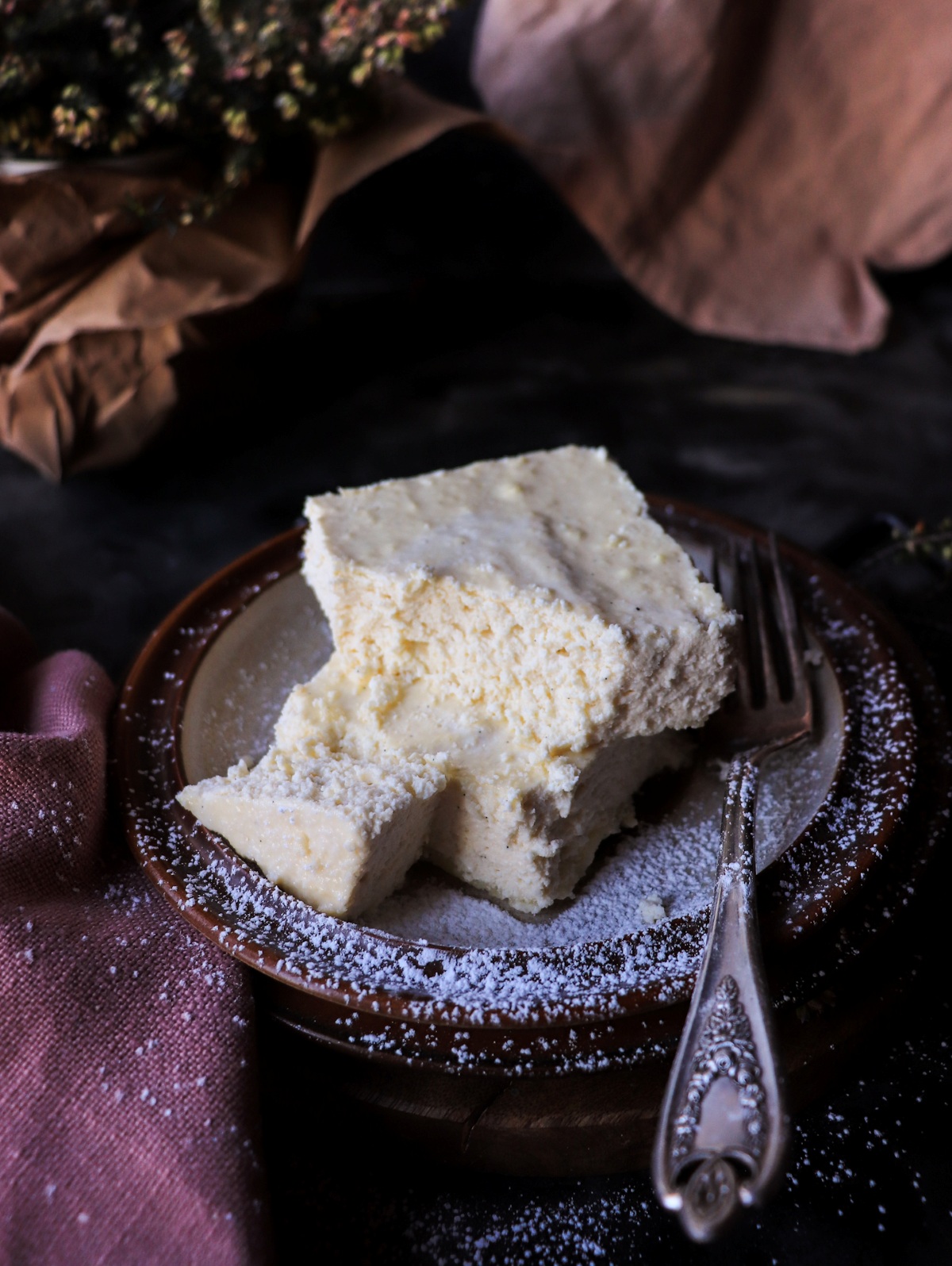


What Each Version Looks Like
Each variation of cottage cheese casserole has a distinct appearance:
- The tvorog casserole has a dense, structured slice with clearly visible curds and a few crumbs.
- The curd cottage cheese version appears softer and slightly more delicate.
- The yogurt version looks smoother, lighter, and more cohesive. And if you add sweet elements like raisins or vanilla, you can position it as a healthy dessert cottage cheese bake.
Pro-tip: for all these 3 versions I used an immersion blender. However, if you use a more powerful blender, the texture of the mixture will be more smooth and homogeneous. Also, you can add 1-2 tbsp melted butter to enrich both the texture and flavour.
Tips and Mistakes to Avoid When Making Breakfast Cottage Cheese Casserole
- Slightly underbake rather than overbake.
The casserole continues to set as it cools, so it’s better to pull it out when the centre still has a slight wobble. Overbaking can quickly make it dry and firm. - Look for a springy, moist top.
The surface should feel set but gently spring back when pressed, without looking wet. This is a more reliable cue than exact baking time. - Don’t rely strictly on timing.
Different cottage cheeses release different amounts of moisture, so baking time can vary. Always judge doneness by texture. - Be careful with semolina.
While semolina is very helpful for absorbing moisture, adding too much—especially when the batter is already thick—can make the texture heavy. Use it strategically, mainly for wetter mixtures. - Don’t aim for a perfectly smooth batter.
A slightly grainy texture is expected and desirable, particularly for the tvorog version. - Let it rest after baking.
Turning off the oven and letting the casserole sit for 10 minutes helps it finish setting gently and improves texture.
How to Scale This Recipe Down
While this cottage cheese casserole works well in large batches, you can easily make a smaller version.
For ~500 g Cottage Cheese
- 500 g cottage cheese.
- 2–3 eggs.
- ⅓–½ cup (80–120 ml) Greek yogurt (if using).
- 1–1½ tbsp sugar.
- Pinch of salt.
- 1–2 tbsp semolina (if needed).
Pan and Baking
- Use a smaller pan (about 20 × 20 cm / 8 × 8 inch).
- Bake for about 25–30 minutes.
- Follow the same doneness cues.
What to Serve with Cottage Cheese Casserole
This cottage cheese casserole pairs well with a variety of toppings.
- Sour cream and jam for a traditional approach.
- Greek yogurt ok Skyr for even more added protein.
- Maple syrup and fresh berries for a lighter dessert.
- Yogurt and fruit for a balanced breakfast.
- Honey and nuts for a simple, natural finish.
Storage and Make Ahead
This cottage cheese casserole stores very well. That’s why I make a large batch to enjoy throughout a busy week for breakfast and healthy snack and dessert.
- Refrigerate for up to 4–5 days.
- The texture becomes slightly firmer after chilling.
- Reheat gently or enjoy cold.
More Delicious Cottage Cheese Recipes
Are you looking for more fun recipes, like this cottage cheese casserole? Then be sure to check more recipes below:
- Cottage Cheese Pancakes (Syrniki) – Pan-Fried Cakes
- Baked Cottage Cheese Biscuits – Soft, Chewy & Pancake-Like
- Homemade Processed Spreadable Cheese from Cottage Cheese
- Cottage Cheese Dip with Radishes and Chives
I’d love for you to try this protein cottage cheese bake. If you give it a go, please share your results in the comments, message me on Instagram, or post your photos with the hashtag #havocinthekitchen. I look forward to seeing your creations and hearing your thoughts.
Cheers!
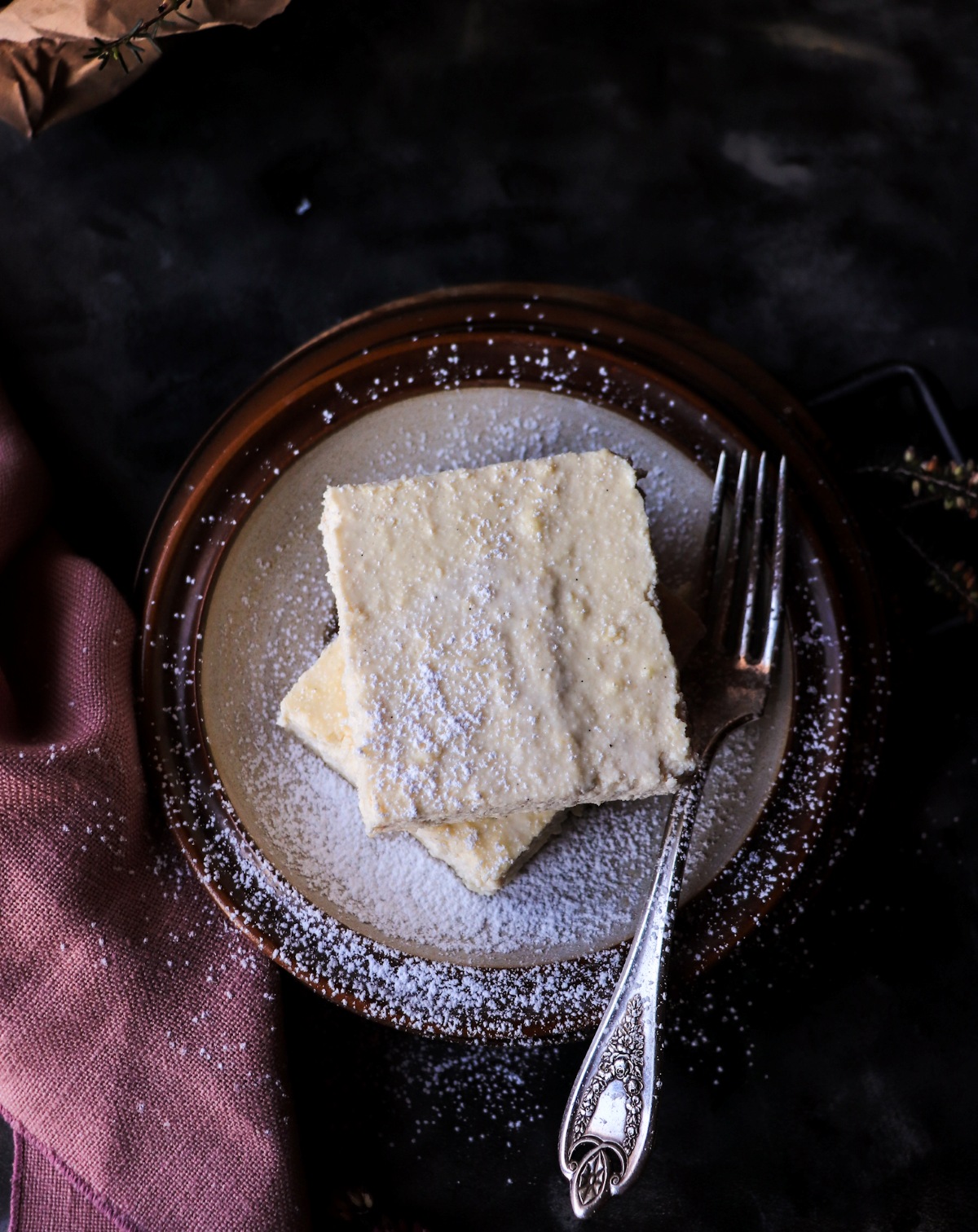


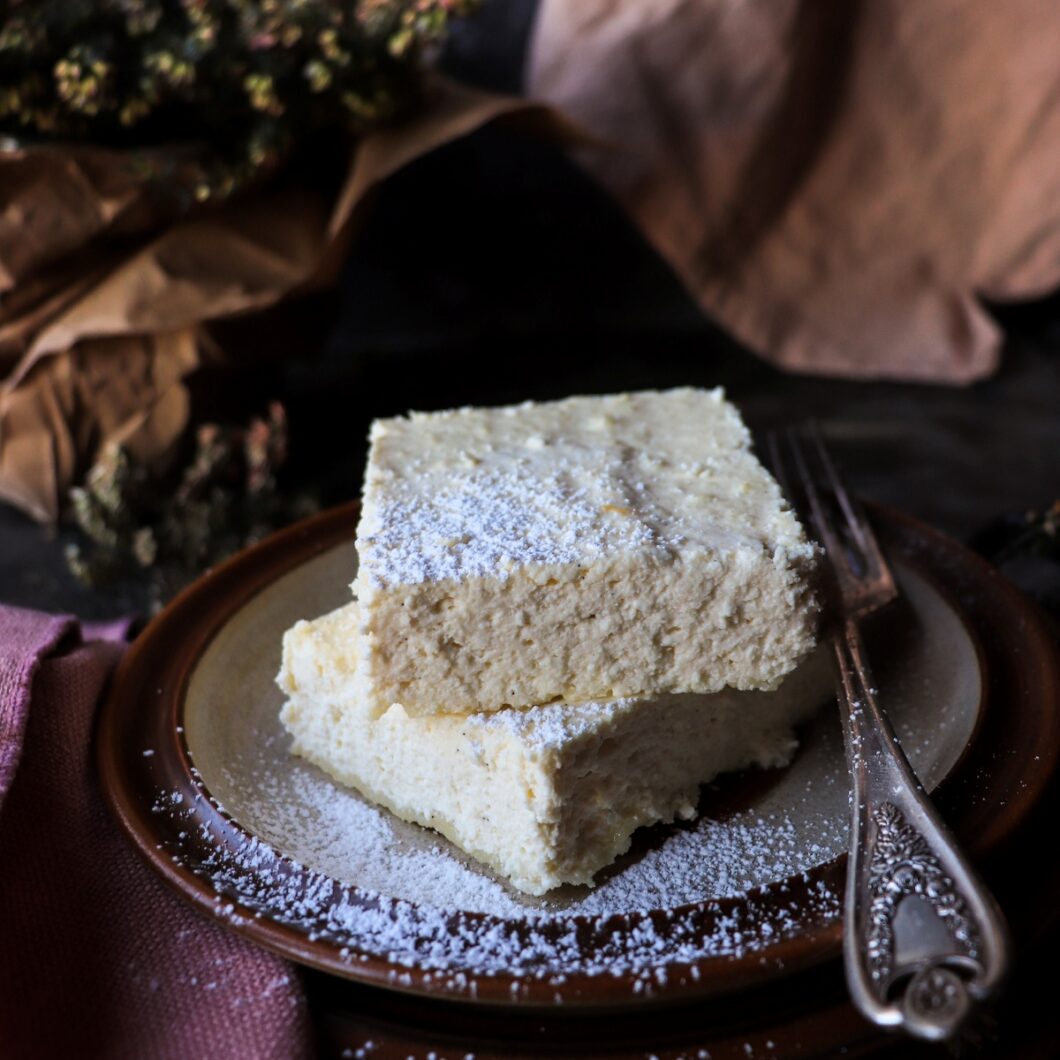
Cottage Cheese Casserole (3 Ways: Tvorog, Curd & Yogurt)
Cottage cheese casserole made 3 ways: tvorog, curd, and yogurt. A versatile, high-protein bake with textures from dense to light and creamy.




)
Thanks for this detailed recipes, all look great and I don’t know which one I would pick!
This is very interesting, and not something I’ve come across before.
Perfect when you need a high protein snack or meal! My husband would love the one with raisins.