

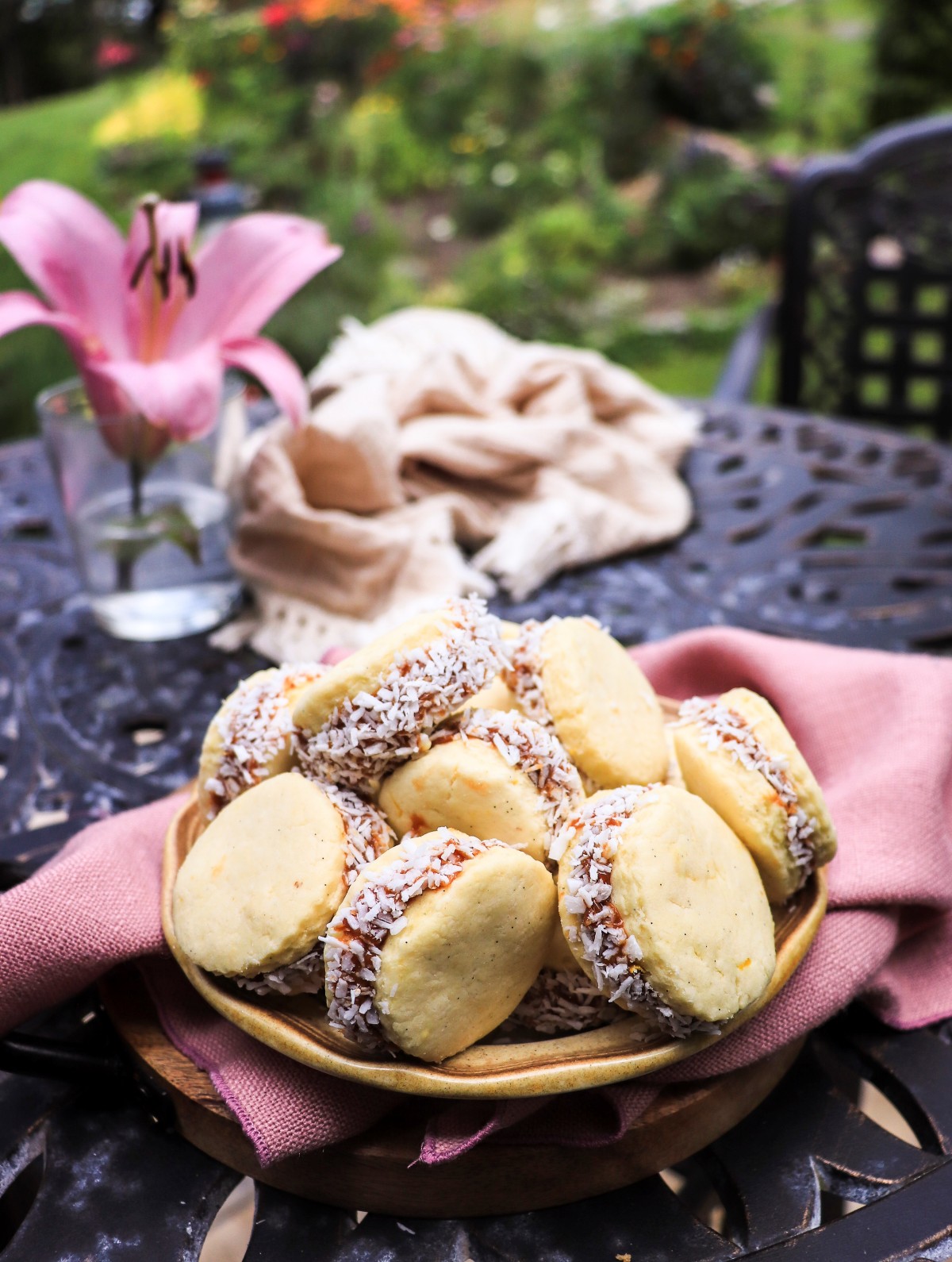
These alfajores de maicena are delicate, buttery cornstarch cookies filled with dulce de leche and finished with shredded coconut. This traditional Argentine treat combines a wonderfully tender texture with one of my favourite ingredients: rich, creamy caramel.
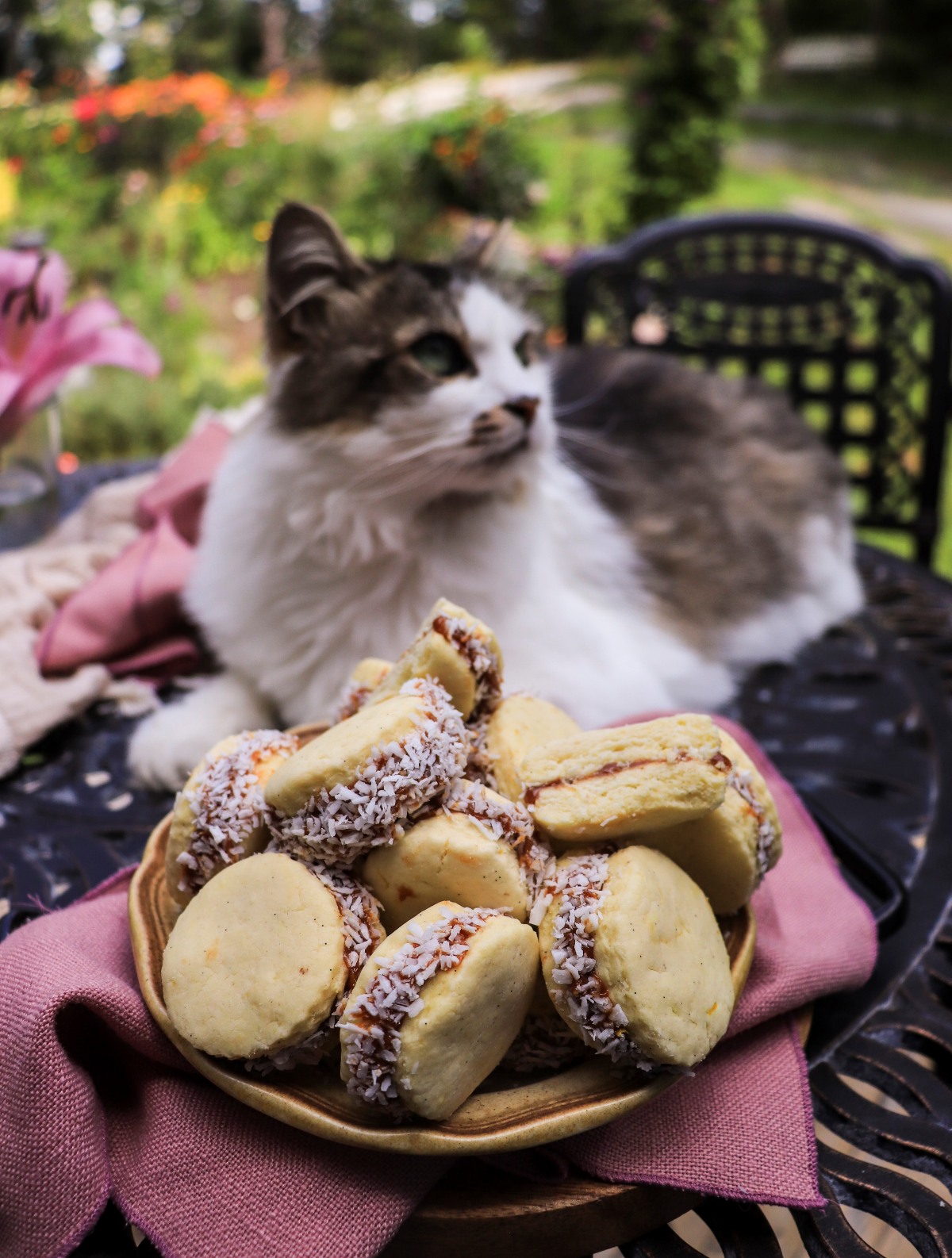
Hey folks – I hope you all are doing well!
I have a little confession: keeping a good jar of South American dulce de leche in my house is dangerous. It has a mysterious habit of disappearing in no time, sometimes before I’ve even decided what to make with it! So, naturally, sandwiching it between two delicate cookies seemed like an excellent idea. These alfajores are a lovely way to enjoy it, and the homemade cookies make the whole thing even better.
My version is buttery and deliberately less sweet than many recipes, with a touch of brandy, real vanilla bean, and a little extra lemon zest. The result is a delicate cookie that lets the dulce de leche shine without making the entire treat overwhelmingly sweet. So, let’s dive into these irresistible Argentine dulce de leche cookies!
Alfajores de Maicena – Argentina’s Beloved Dulce de Leche Cookies
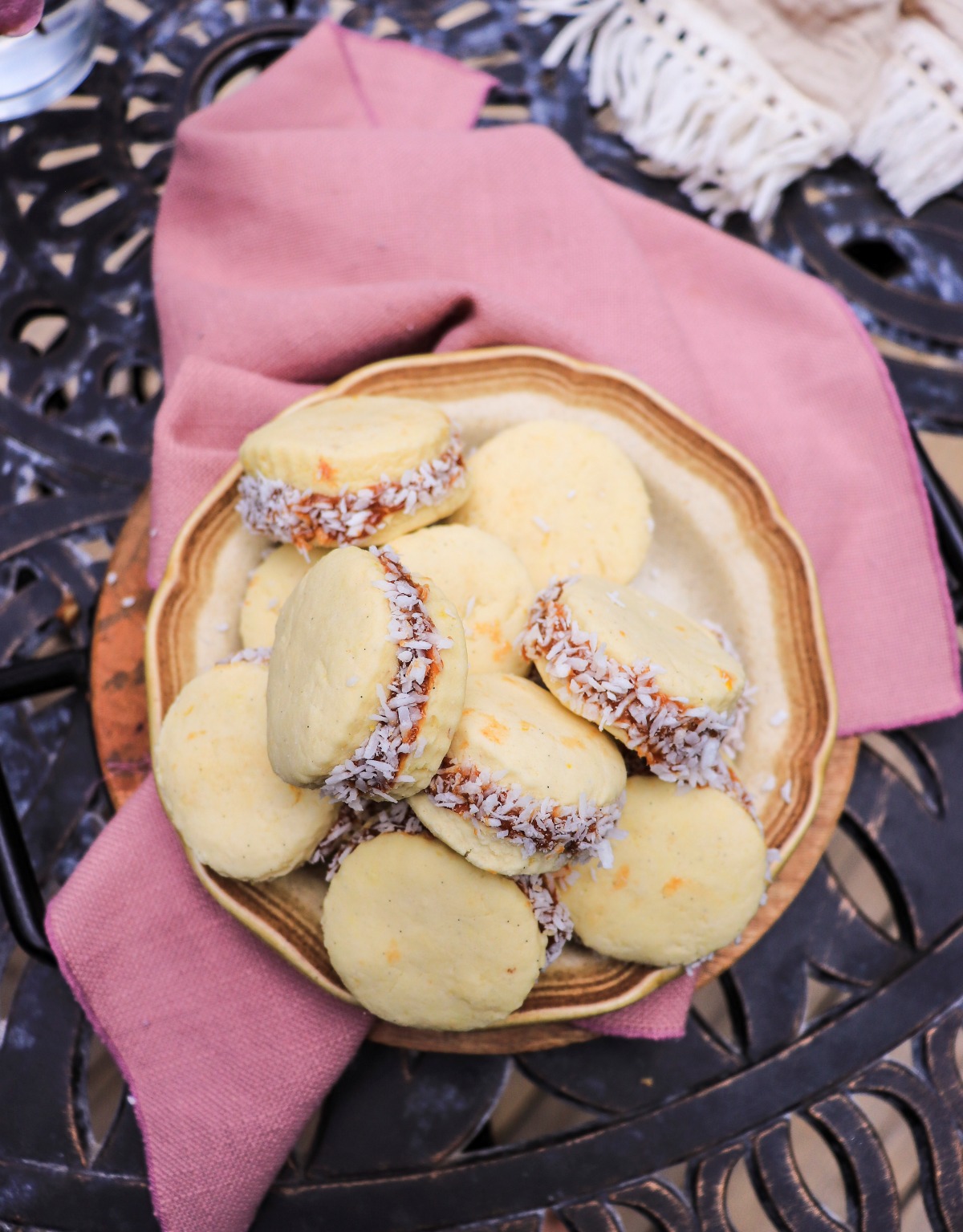
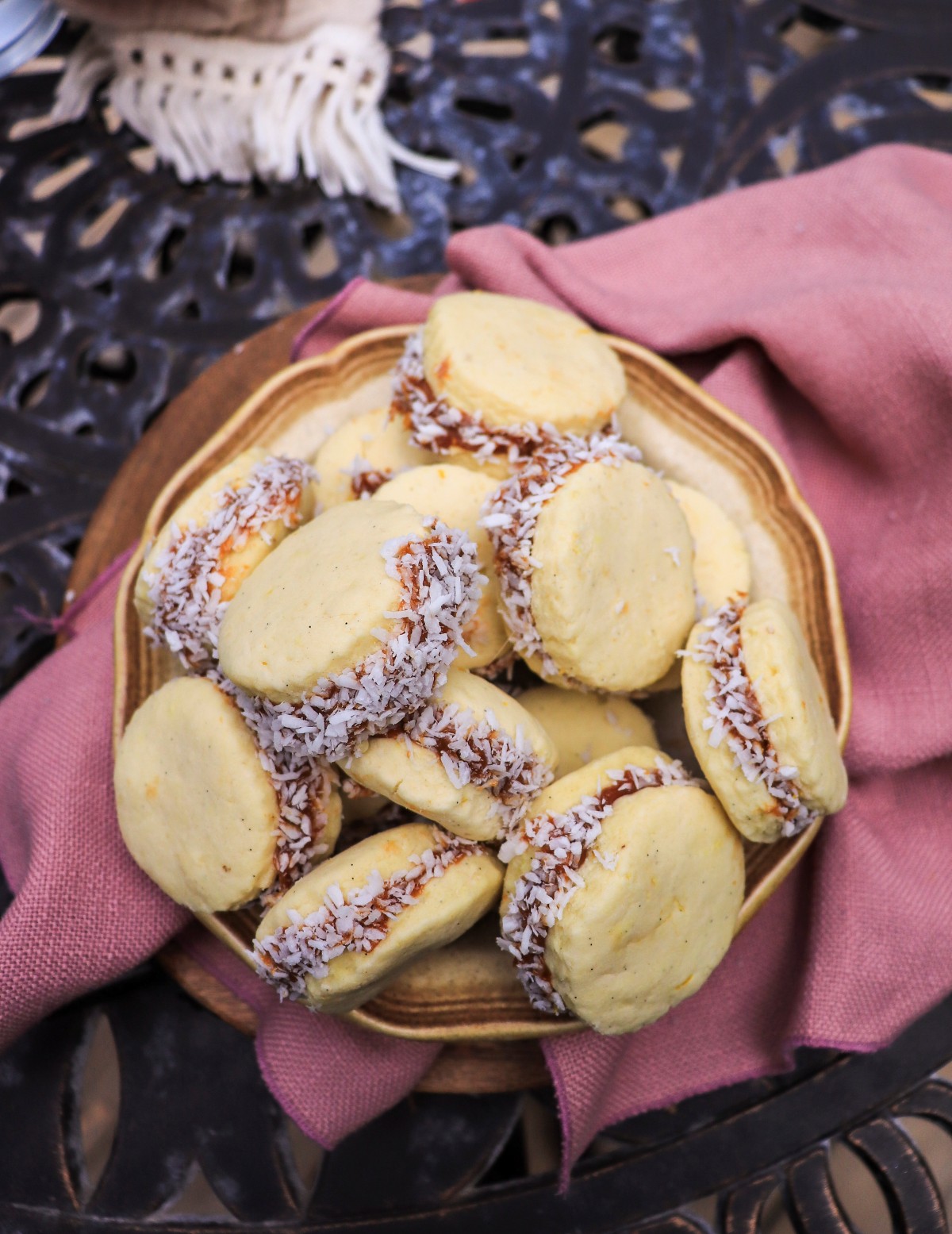
Alfajores de maicena are a classic Argentine treat made with two soft, crumbly cornstarch cookies sandwiched around dulce de leche. The exposed filling is traditionally rolled in shredded coconut, creating a simple but distinctive finish.
Unlike crisp biscuits or chewy cookies, these are exceptionally tender. They almost melt in your mouth, while the dulce de leche adds a creamy, caramel-like centre. The combination is simple, but the contrast in texture is what makes these cookies so appealing.
Alfajores de Maicena: Delicate Cornstarch Cookies and Rich Dulce de Leche
The defining feature of alfajores de maicena is their delicate crumb. Cornstarch makes up the larger proportion of the dry ingredients, producing a texture quite different from an ordinary flour-based cookie. Butter adds richness, while the eggs help bring the dough together.
The filling provides the sweetness and moisture. A generous layer of dulce de leche contrasts beautifully with the relatively restrained sweetness of the cookies, and shredded coconut adds a little texture around the edges.
These cookies are also lovely to make ahead. After assembly, a little resting time allows the flavours to settle and the cookies to soften slightly around the filling.
A Little History Behind Alfajores
Alfajores have a long culinary history connected to the Iberian Peninsula, with earlier influences often traced to Arabic culinary traditions. They later developed into distinctive regional sweets across Latin America, where ingredients and preparation methods evolved according to local tastes.
Argentina is particularly associated with dulce de leche-filled alfajores. The cornstarch version, known as alfajores de maicena, is one of the country’s best-known varieties. Its characteristic tender cookies, dulce de leche centre, and coconut-coated edges distinguish it from other styles that may use different cookie bases or chocolate coatings.
Although alfajores share a name and a broad sandwich-cookie concept, recipes vary considerably across countries and regions. This recipe focuses on the Argentine cornstarch style rather than attempting to represent every variety.
Buttery, Lightly Citrus-Scented, and Not Too Sweet
My version keeps the traditional combination of cornstarch cookies and dulce de leche but adjusts the dough to suit my taste. I use a generous amount of butter and substantially less sugar than the original recipe that inspired it.
Brandy adds a subtle aromatic note, while real vanilla bean and lemon zest bring warmth and freshness. The lemon is noticeable enough to complement the caramel, but it doesn’t turn the cookies into lemon biscuits.
Most importantly, the cookies aren’t intended to compete with the filling in sweetness. I prefer the dulce de leche to be the star of the show.
What Makes Alfajores de Maicena Different?
Cornstarch Is the Key to Their Texture
Cornstarch is the defining ingredient in alfajores de maicena. It makes up two-thirds of the combined flour and cornstarch by weight, giving the cookies their characteristic delicate, almost powdery crumb.
A few things make this dough distinctive:
- High cornstarch content: Creates the characteristic tender, delicate texture.
- Butter and eggs: Add richness and help bind the dough.
- Gentle handling: Helps preserve the crumb rather than making the cookies unnecessarily firm.
- Pale baking: Keeps the cookies tender instead of turning them into crisp, browned biscuits.
This is why the dough shouldn’t be kneaded like bread dough or baked until deeply golden. The goal is a delicate cookie that holds its shape well enough to sandwich with dulce de leche but remains tender when bitten.
Alfajores Across Latin America
Alfajores come in many forms. Depending on the country and recipe, they may feature flour-based cookies, different fillings, chocolate coatings, or other finishes. Even within Argentina, there are multiple styles.
The version here is specifically de maicena, referring to the cornstarch used in the cookie dough. Its pale appearance and coconut-coated dulce de leche edges are important characteristics of this style.
Understanding this distinction helps when searching for recipes: a recipe simply labelled alfajores may produce a noticeably different cookie.
Ingredients You’ll Need for Dulce de Leche Cookies (Alfajores de Maicena)
The ingredient list is relatively straightforward, but the proportions and a few small details matter.
- Butter: A generous amount gives the cookies their rich flavour and tender texture. I use 170 g, slightly more than the source recipe.
- Sugar: I reduced the original amount to 100 g. The dulce de leche provides plenty of sweetness, so I prefer a more restrained cookie.
- Egg yolks and a whole egg: The yolks contribute richness, while the whole egg helps bind the dough.
- Brandy: A tablespoon adds a gentle aromatic note that complements the caramel.
- Real vanilla bean: I use real vanilla bean for its fragrant, rounded flavour. It works particularly well with the brandy and dulce de leche.
- Lemon zest: Half a teaspoon gives the dough a more noticeable citrus aroma without dominating the other flavours.
- Cornstarch and all-purpose flour: The tested ratio is two parts cornstarch to one part flour by weight. This balance is central to the delicate texture.
- Baking powder and salt: A small amount of baking powder helps the cookies rise slightly, while salt balances the sweetness.
- Dulce de leche: This is the essential filling, so choose one with a rich flavour and a suitably thick consistency.
- Unsweetened shredded coconut: Traditionally used to coat the exposed filling around the edges.
Choosing the Right Dulce de Leche for Alfajores de Maicena
For me, good dulce de leche is worth seeking out. I particularly enjoy South American varieties, especially Argentine dulce de leche, for their deep cooked-milk caramel flavour. Products sold under the same name can taste quite different depending on the recipe and production method. Some US-made versions have a noticeably different flavour, so I’d look for a traditionally prepared product rather than relying on the label alone.
When selecting dulce de leche for alfajores, keep these points in mind:
- Best option: Dulce de leche repostero, the thicker variety intended for pastry fillings.
- Alternative: A thick, good-quality Argentine dulce de leche also works well.
- Check the consistency: Softer filling needs a thinner layer to prevent it from oozing out.
- Consider the flavour: Choose a traditionally prepared product whose caramel flavour you enjoy.
I couldn’t find repostero when testing this recipe, so I used the best and thickest Argentine dulce de leche I could find. It worked well, although I needed to use a slightly thinner filling layer.
You don’t need to abandon the recipe if you can’t find repostero. Choose the thickest good-quality dulce de leche available and adjust the quantity to suit its consistency. A slightly thinner layer is better than an overly generous one that makes assembly messy.
Why Shredded Coconut Is Traditional
Shredded coconut is more than a decorative finish. It coats the exposed dulce de leche around the edges, making the cookies easier to handle and giving them their familiar appearance.
I use unsweetened shredded coconut because the filling already provides plenty of sweetness. Finely shredded coconut also adheres neatly to the dulce de leche. Although coconut can be omitted, it contributes to the traditional presentation of these cookies.
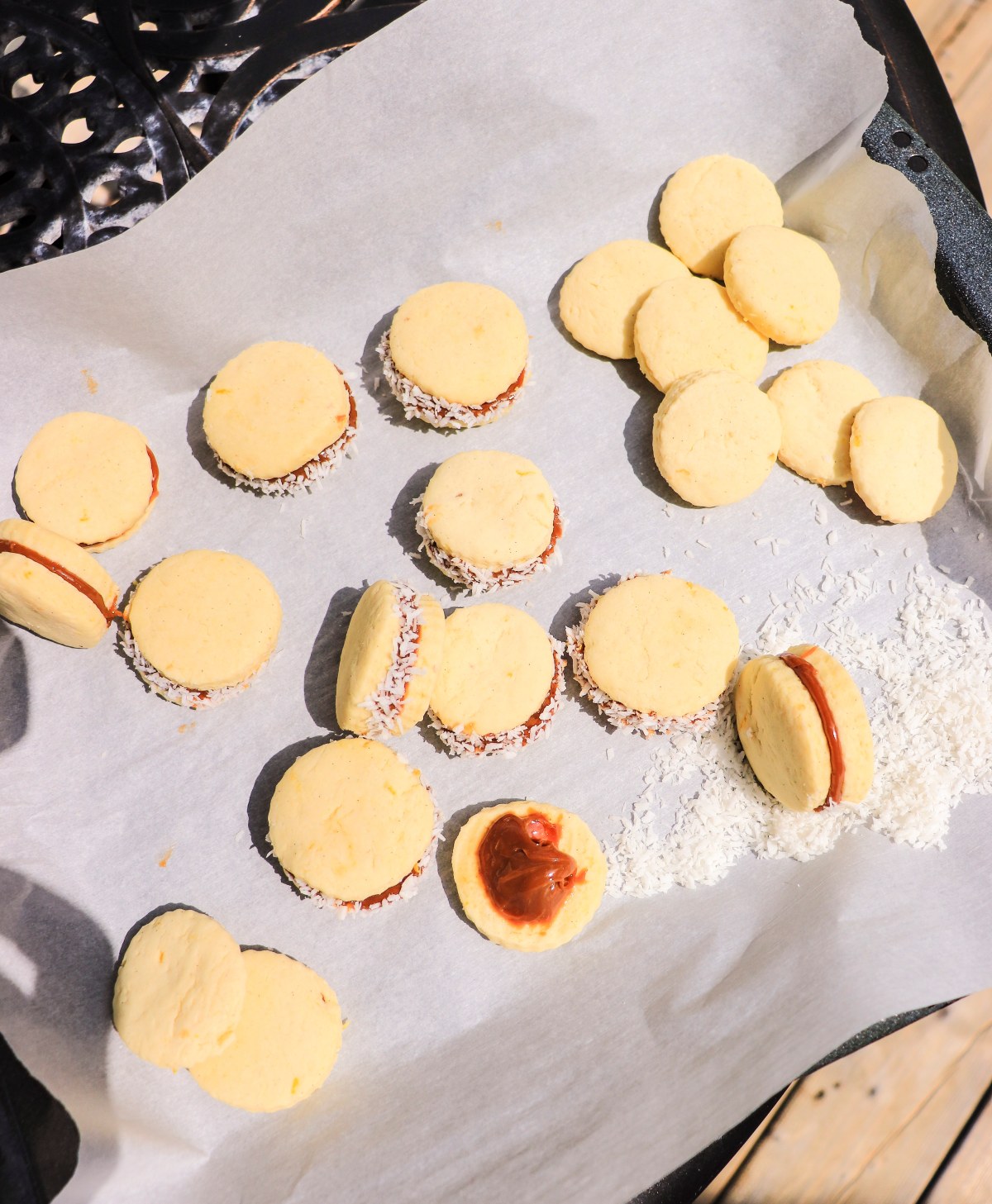
How to Make Alfajores de Maicena
Prepare the Dough
Start by creaming the softened butter and sugar until creamy and well combined. Beat in the egg yolks, followed by the whole egg, then mix in the brandy, vanilla bean, and lemon zest.
Combine the flour, cornstarch, baking powder, and salt separately. Add the dry ingredients to the butter mixture in batches, mixing just until a soft dough forms.
Keep these points in mind:
- Mix gently: Avoid kneading or overworking the dough.
- Look for the right consistency: The dough should come together without developing the firm, elastic structure you’d want in bread.
- Chill before rolling: Flatten into a disc, wrap, and refrigerate for about 45–60 minutes.
Chilling makes this butter-rich dough easier to roll and cut without excessive sticking or spreading.
Roll, Cut, and Bake
Preheat the oven to 175°C (350°F). Roll the chilled dough to approximately 6 mm (1/4 inch) thick on a lightly floured surface, then cut into rounds about 5–6 cm (2–2 1/2 inches) in diameter.
Arrange the cookies on parchment-lined baking sheets. Bake for approximately 8–10 minutes, depending on their size and your oven.
Look for these visual cues:
- The cookies should be set but remain pale.
- The bottoms may develop the faintest hint of colour.
- The tops shouldn’t turn golden or brown.
Don’t wait for the cookies to become golden. Overbaking can make them dry and compromise the delicate texture that distinguishes this style.
Let the cookies cool on the baking sheet for several minutes before transferring them carefully to a wire rack. They are fragile while warm, so allow them to cool completely before filling.
Fill and Assemble Alfajores de Maicena
Once the cookies are completely cool, spread dulce de leche over the flat underside of one cookie and gently sandwich it with another.
If you’re using regular dulce de leche rather than repostero, start with a thinner layer and add more only if it holds its shape. Press the cookies together just enough for the filling to reach the edges, without squeezing too hard.
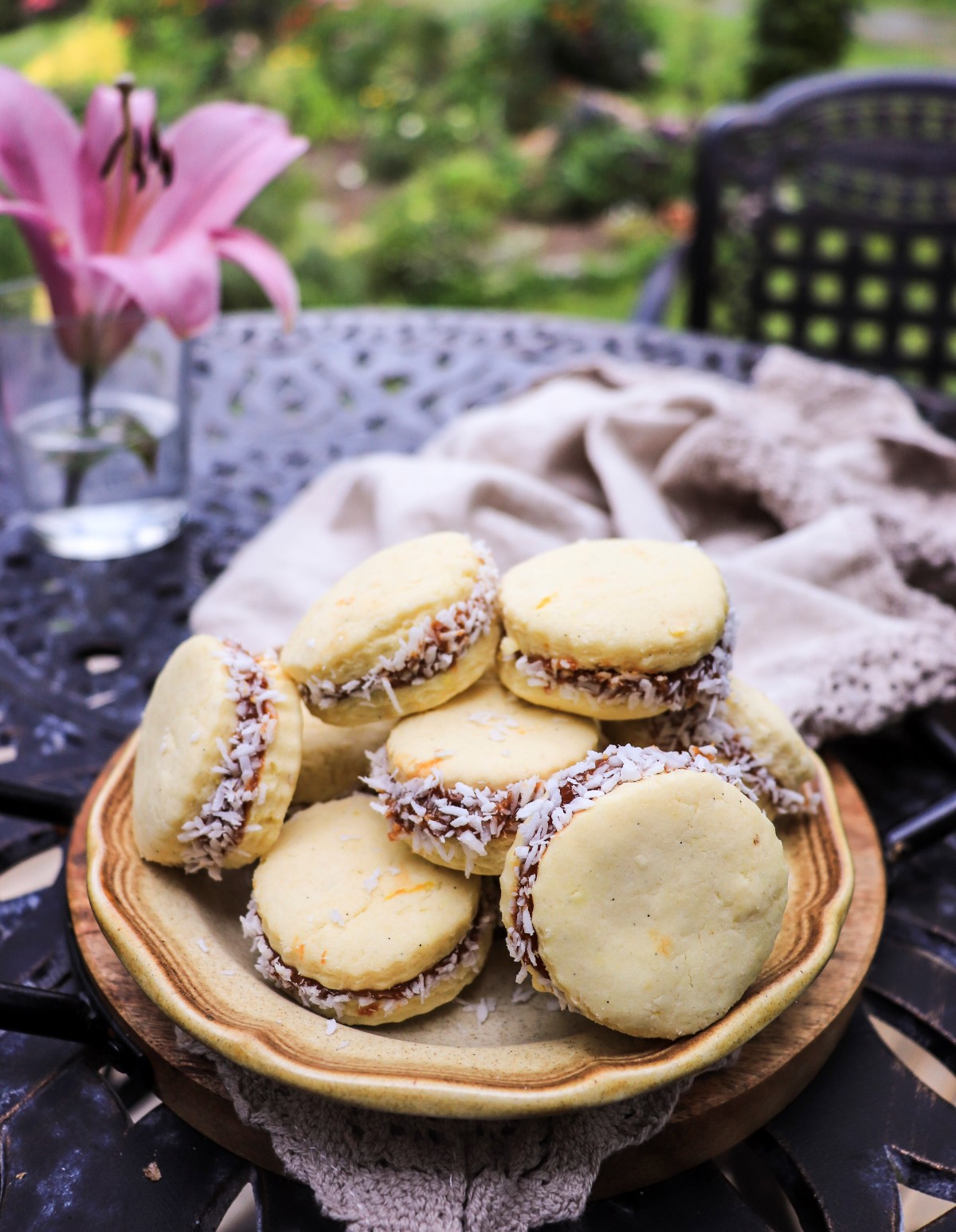
Tips for Tender Cookies and Neat Assembly
A few small details make these cookies easier to handle and help preserve their delicate texture.
- Don’t overwork the dough: Mix only until the ingredients come together. Excessive handling can affect the tender crumb.
- Chill when necessary: If the dough becomes too soft while rolling, return it to the refrigerator before continuing.
- Watch the baking time: The cookies should remain pale and just set. Don’t wait for golden tops.
- Cool completely before filling: Warm cookies are fragile and can make assembly more difficult.
- Adjust the filling layer: Softer dulce de leche needs a thinner layer to prevent it from oozing out.
- Handle gently: Press the sandwich cookies together just enough for the filling to reach the edges without breaking the shells.
Traditional Alfajores and My Recipe Adaptation
The defining elements of these cookies remain the same: cornstarch-based dough, dulce de leche filling, and coconut around the edges. My adjustments focus on the balance and flavour of the cookie itself.
More Butter, Much Less Sugar
The original recipe that inspired this version called for approximately 156 g butter and 200 g sugar. I increased the butter to 170 g and reduced the sugar to 100 g.
This is a deliberate adjustment rather than a claim that the recipe follows one universal traditional formula. I prefer a richer, less-sweet cookie because it balances the dulce de leche more effectively.
The main differences are:
- More butter: Creates the richer profile I prefer.
- Less sugar: Keeps the cookie itself from competing with the sweet filling.
- The same defining style: The cornstarch-based dough, dulce de leche, and coconut edges remain central to the recipe.
Brandy, Lemon, and Real Vanilla Bean
The brandy adds warmth without making the cookies taste strongly alcoholic. Lemon zest brightens the flavour, while real vanilla bean brings a fragrant sweetness that works naturally with caramel.
The final balance is subtle rather than heavily flavoured. Each ingredient supports the dulce de leche instead of competing with it.
Storage and Make-Ahead Tips
Store assembled alfajores in an airtight container at room temperature if your filling is sufficiently firm and the storage conditions are cool. Keep them away from heat, which can soften the butter and make the dulce de leche runnier.
A few practical considerations:
- Make ahead: Bake the cookies in advance and assemble them when convenient.
- Rest after assembly: Several hours, or overnight, allows the flavours to settle and the cookies to soften slightly.
- Refrigerate if necessary: If your dulce de leche is particularly soft or your kitchen is warm, refrigeration can help the filling hold its shape.
- Serve at room temperature: Let chilled cookies sit out briefly before serving for the best texture and flavour.
More Recipes with Dulce de Leche to Try
If, like me, you enjoy finding excuses to open another jar of dulce de leche, here are a few more sweet treats to explore, besides these dulce de leche cookies.
- Chocotorta Trifle – Argentine No Bake Dulce de Leche Dessert
- Dulce de Leche Cake Bars with Walnuts
- Dulce de Leche Shortbread Bars – Layered Caramel Crumble Bars
- Peanut Butter Oatmeal Balls – A Decadent Twist on a Classic Snack
- Dulce de Leche Yogurt Parfait with Banana and Oats
- Dulce de Leche Martini – A Creamy Dessert Cocktail
- Passion Fruit Dulce de Leche Trifle with Mascarpone
I’d love for you to try these alfajores de maicena. If you give it a go, please share your results in the comments, message me on Instagram, or post your photos with the hashtag #havocinthekitchen. I look forward to seeing your creations and hearing your thoughts.
Cheers!
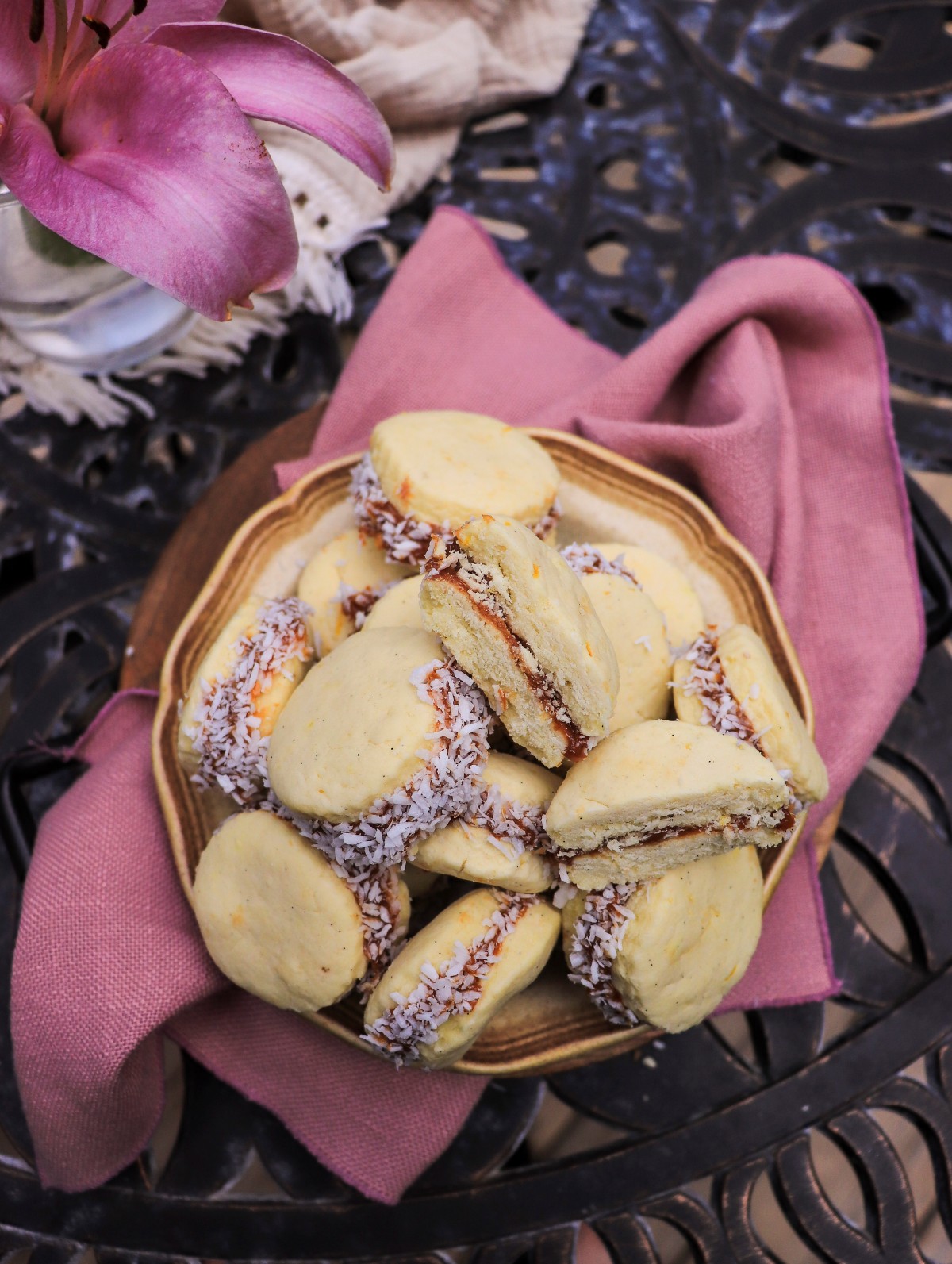
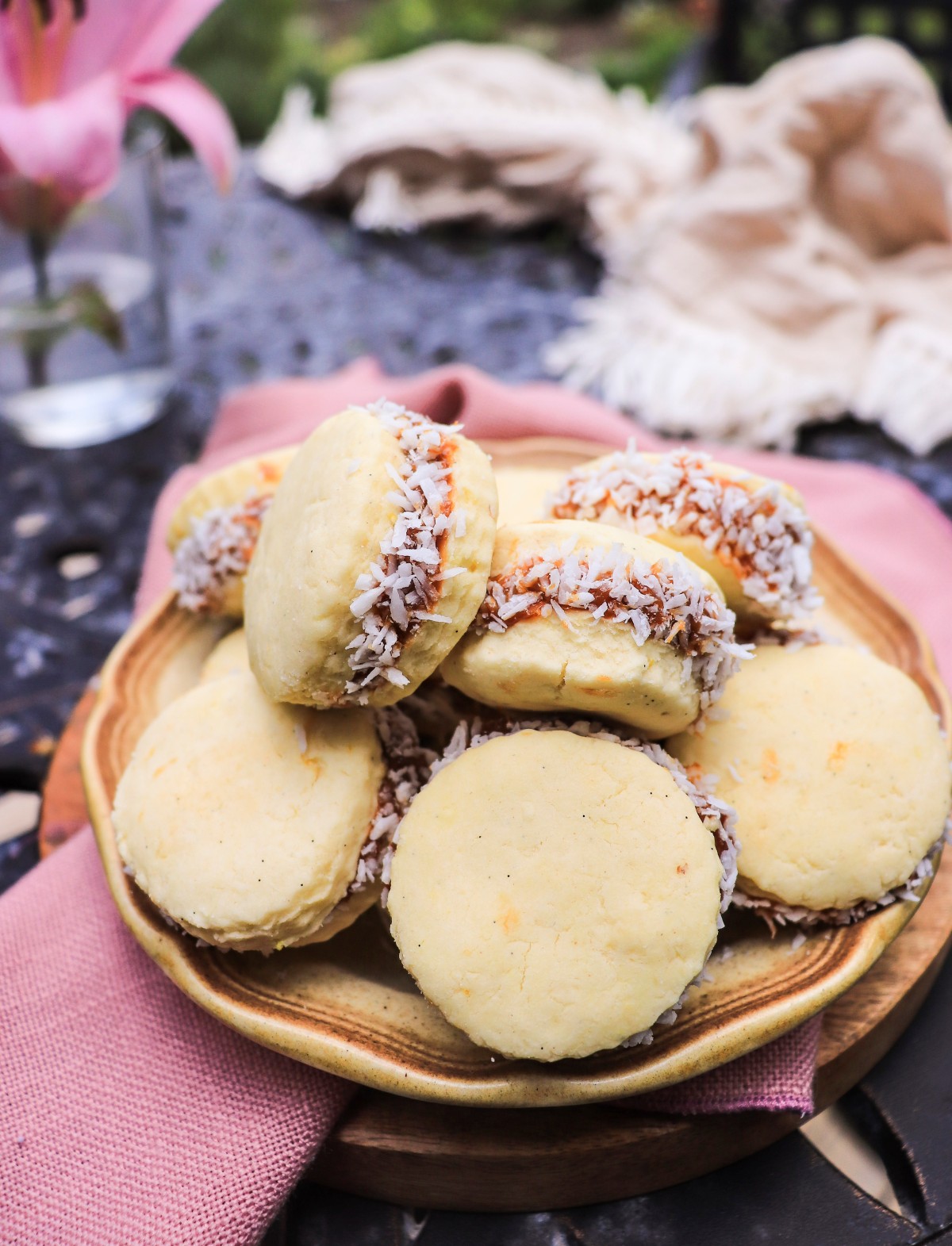
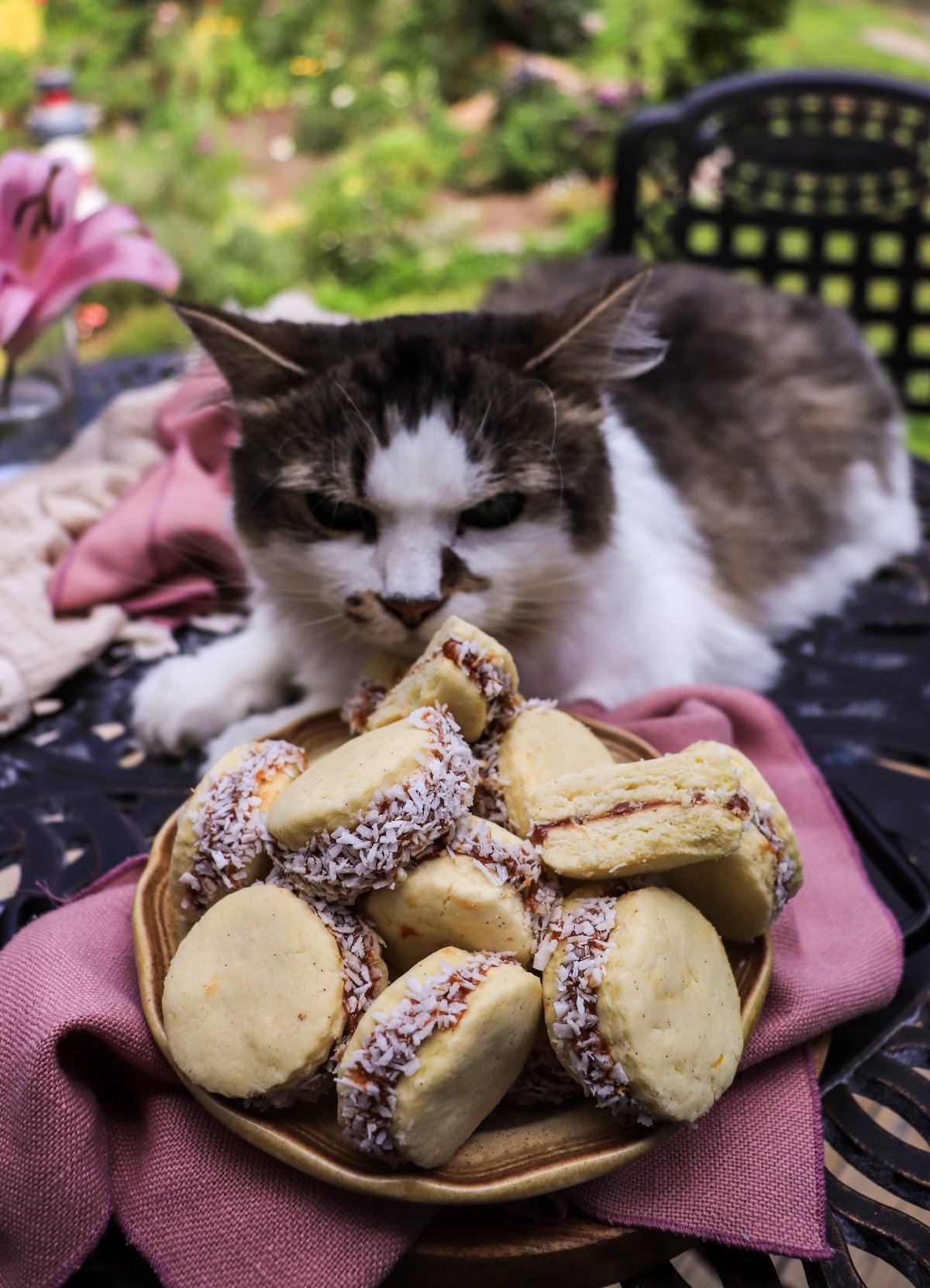
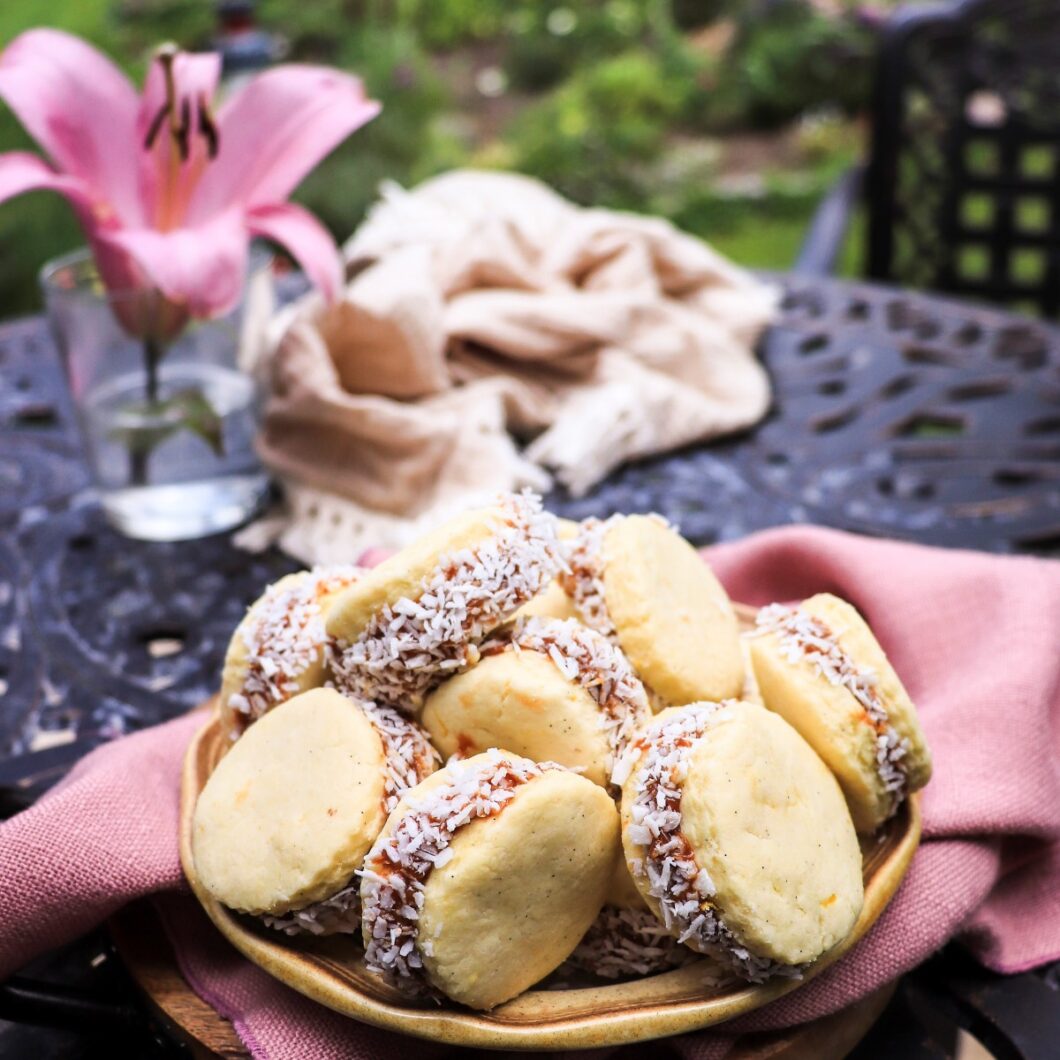
Alfajores de Maicena (Argentinian Dulce de Leche Cookies)
These classic Argentine alfajores de maicena feature delicate, melt-in-your-mouth cornstarch cookies sandwiched with thick dulce de leche and rolled in unsweetened shredded coconut. A touch of brandy, vanilla, and lemon zest adds a subtle aromatic note, while the buttery, lightly sweetened cookies balance the rich caramel filling.




Who doesn’t love dulce de leche? These cookies look so tempting.