


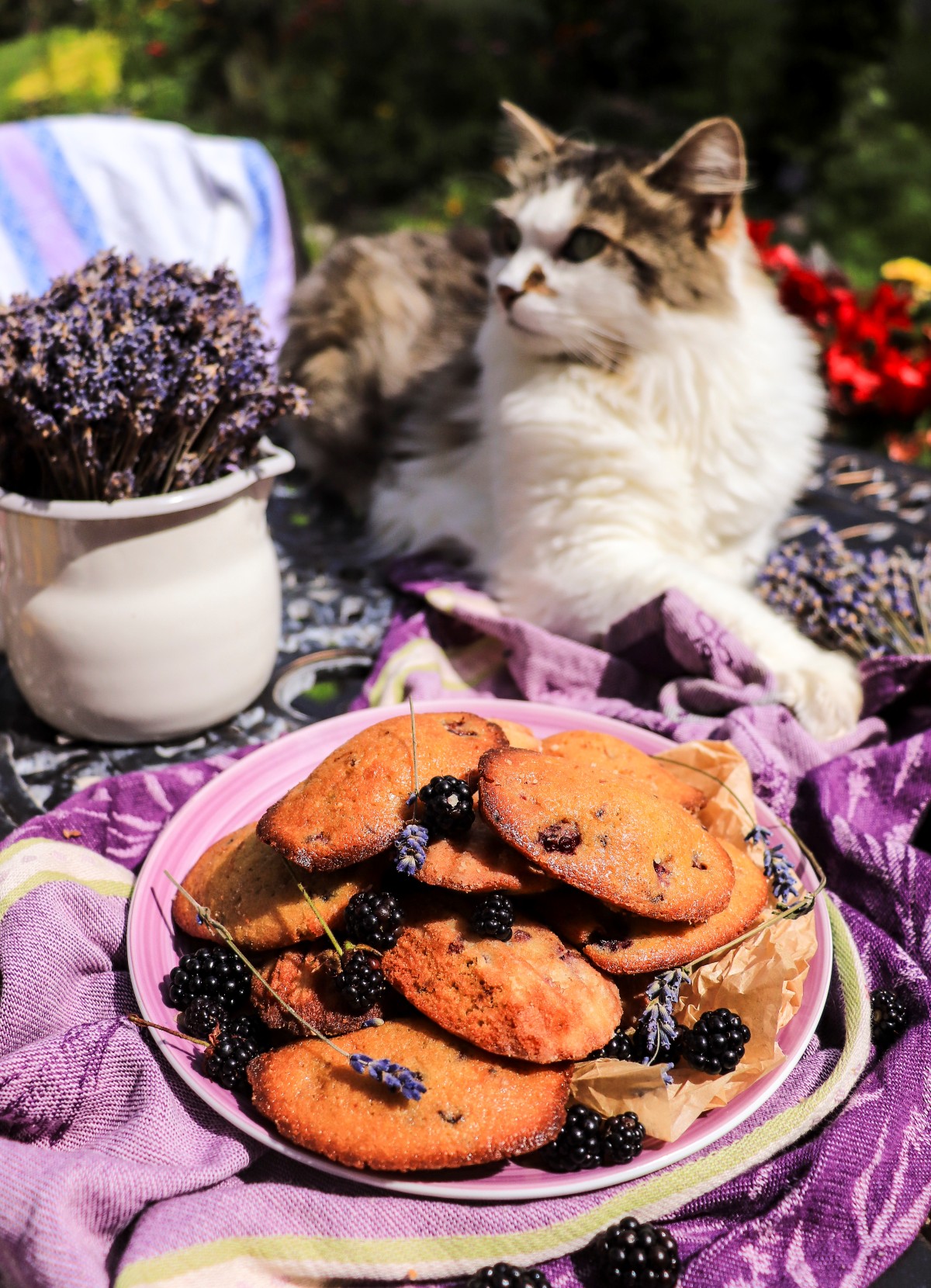
Lavender Madeleines are elegant French tea cakes with a delicate floral aroma, a tender crumb, and lightly crisp edges. Learn how to make madeleines with honey and lavender using this intentionally less sweet recipe that’s perfect for afternoon tea, brunch, or an everyday coffee break.

Hey folks – I hope you all are doing well!
Today, I’m thrilled to share one of my favourite French-inspired bakes – these honey lavender madeleines. Inspired by the classic flavours of Provence, this recipe combines fragrant culinary lavender and honey to create delicate little cakes that are soft, moist, and intentionally less sweet than many traditional versions. They look elegant enough for a special occasion yet are simple enough to enjoy with your morning coffee or afternoon cup of tea. So, let’s dive into!
What Are Madeleines?
A Classic French Tea Cake
Madeleines are small shell-shaped sponge cakes that originated in northeastern France and have become one of the country’s most recognizable pastries. Although they’re often called cookies because of their size and shape, their texture is much closer to a light sponge cake. They’re traditionally enjoyed slightly warm or at room temperature with coffee, tea, or hot chocolate and are a staple of French pâtisseries and home kitchens alike.
Classic French madeleines are known for their delicate flavour and elegant appearance. While vanilla and lemon are among the most common flavourings, they also pair beautifully with ingredients such as citrus zest, honey, chocolate, pistachios, herbs, and edible flowers. In this recipe, culinary lavender and honey create a subtle Provençal-inspired twist without overpowering the delicate character of the cakes.
What Makes Madeleines Unique?
Unlike many small cakes, madeleines rely on a relatively simple batter that’s enriched with melted butter rather than creamed butter. After mixing, the batter is rested before baking, allowing the flour to fully hydrate while the butter firms up. This resting period is one of the secrets behind the signature domed “hump” that forms during baking.
Fresh from the oven, Lavender Madeleines should have lightly crisp edges, a tender, buttery crumb, and a beautifully golden shell. Honey keeps the cakes moist, while culinary lavender adds delicate floral notes that complement rather than dominate the flavour.
Why You Need a Madeleine Pan
The distinctive shell shape isn’t just decorative – it’s part of what makes madeleines so recognizable. A traditional madeleine pan contains shallow shell-shaped cavities that help the batter spread evenly while creating the characteristic ridges on the bottom of each cake.
Because the cavities are relatively shallow, the cakes bake quickly and develop lightly crisp edges while remaining soft and tender inside. A dedicated madeleine pan is the easiest way to achieve the classic appearance, although other pans can still produce delicious cakes (more on that later in the post).

Lavender Honey Madeleines – Perfect Cakes for Afternoon Tea
Lavender and Honey – A Classic Provençal Pairing
Honey and lavender have long been associated with the cuisine of Provence, where fragrant lavender fields and local honey are both culinary icons. The two ingredients naturally complement one another, with honey softening lavender’s floral notes while adding warmth and depth. The result is elegant rather than perfumed – a delicate balance that works beautifully in baked goods.
Unlike recipes that rely heavily on sugar, these Lavender Madeleines let the honey and lavender take centre stage. The floral flavour remains gentle and refined, making these cakes appealing even to people who are trying culinary lavender for the first time.
Lavender Madeleines with Honey: Intentionally Less Sweet and More Honey-Forward
If you’ve been following Havoc in the Kitchen for a while, you’ll know that I often reduce the sugar in desserts whenever possible. These Lavender Madeleines are no exception.
Instead of relying on large amounts of granulated sugar, this recipe uses honey as the primary sweetener, producing cakes that are subtly sweet with a more pronounced honey flavour. The lower sweetness also allows the butter, lavender, and optional lemon zest to shine, creating a more balanced dessert that’s just as enjoyable with coffee as it is with tea.
Honey and Lavender Madeleines: Flavour and Texture Profile
These French madeleines with lavender are delicately floral without tasting soapy or overpowering. Honey contributes gentle sweetness along with subtle caramel notes, while butter creates a rich, tender crumb that practically melts in your mouth.
The finished cakes have lightly crisp golden edges, soft centres, and a wonderfully moist texture. They’re elegant enough to serve at brunches, baby showers, afternoon tea, or spring celebrations, yet simple enough to bake whenever you’re craving a homemade treat.
Ingredients You’ll Need for Lavender Madeleines with Honey
One of the reasons these honey and lavender madeleines are so enjoyable is that they rely on a handful of simple ingredients. Each one plays an important role in creating the light, tender crumb and delicate flavour that make classic French madeleines so special.
- Eggs – Eggs provide most of the structure for classic French madeleines. Bringing them close to room temperature helps them incorporate more easily into the batter and creates a lighter texture.
- Granulated sugar – I intentionally use much less sugar than many traditional recipes. The modest amount provides structure while allowing the honey and lavender to become the dominant flavours.
- Honey – Honey is one of the signature ingredients in these lavender madeleines with honey. Besides adding natural sweetness, it contributes moisture, encourages beautiful browning, and gives the cakes a subtle floral richness that complements the lavender perfectly.
- Unsalted butter – Melted butter creates the tender crumb and delicate richness associated with French madeleines. Because butter is one of the main flavours in the finished cakes, use good-quality butter whenever possible.
- All-purpose flour – Regular all-purpose flour provides enough structure while keeping the crumb soft and delicate.
- Baking powder – Traditional French madeleines are sometimes made without baking powder, relying entirely on whipped eggs and rested batter. I prefer adding a small amount because it produces consistently light, well-risen lavender madeleines in a home kitchen.
- Salt – A small amount of salt balances the sweetness and enhances both the honey and butter flavours.
- Dried culinary lavender – Always use culinary-grade lavender rather than ornamental varieties. Rubbing or finely mincing the buds before adding them to the batter helps distribute their flavour more evenly throughout the madeleines with honey and lavender.

The Science Behind Perfect French Madeleines
One of the reasons classic French madeleines are so distinctive is that they rely on technique just as much as ingredients. The batter is simple, yet a few small details can make the difference between ordinary little cakes and beautifully domed lavender madeleines with crisp edges, a delicate crumb, and the signature shell pattern. Fortunately, once you understand why each step matters, making madeleines with honey and lavender becomes surprisingly straightforward.
Why Resting the Batter Matters
Resting the batter is one of the most important steps when learning how to make classic French madeleines. Although it may be tempting to bake the batter immediately, allowing it to rest gives the flour time to fully hydrate while the melted butter firms up again.
When the chilled batter enters a hot oven, the sudden temperature difference encourages the batter to rise quickly, helping create the famous “hump” that many bakers associate with well-made French madeleines with lavender. Resting also relaxes the gluten slightly, resulting in a finer, more tender crumb.
While even 30 to 60 minutes is beneficial, refrigerating the batter for several hours or overnight often produces the best results.
Why Melted Butter Creates Tender Cakes
Unlike many cake recipes that begin by creaming butter and sugar together, madeleines use melted butter folded gently into the batter near the end of mixing.
This method coats some of the flour particles with butter, helping limit gluten development while producing the delicate, buttery texture that makes lavender madeleines so enjoyable. The butter also contributes rich flavour, beautiful golden colour, and the lightly crisp edges that contrast with the soft interior.
Why Butter and Flour the Pan
Even high-quality non-stick pans benefit from a light coating of butter followed by a dusting of flour.
This simple step helps the delicate cakes release cleanly while preserving every ridge of the shell pattern. It also promotes more even browning, giving the finished lavender madeleines their beautiful golden exterior.
After dusting the pan with flour, tap out any excess. A very thin coating is all that’s needed.
How Full Should You Fill the Madeleine Pan?
For the best shape, fill each cavity about three-quarters full. Overfilling can cause the batter to spread too much and lose its elegant shell shape, while underfilling may produce smaller cakes without a well-developed hump.
Using a small cookie scoop or piping bag makes filling the pan quick and helps keep every madeleine a similar size, which encourages even baking.
No Need to Wash the Pan Between Batches
If your batter makes more than one batch – as it likely will when using a traditional madeleine pan – there’s usually no need to wash the pan before baking the next round.
As long as no batter has burned onto the pan, simply brush on another thin layer of butter, dust lightly with flour again if needed, and refill the cavities. This saves time and helps each batch of madeleines with honey and lavender release just as easily as the first.
Quick Tips for Success
- Use culinary lavender and rub or finely mince it before adding it to the batter for a more even flavour.
- Don’t overmix the batter. Stir only until the flour disappears to keep the crumb light and tender.
- Rest the batter for at least 30–60 minutes, or overnight for the best texture and a more pronounced hump.
- Preheat the oven completely before baking so the chilled batter rises quickly.
- Fill each cavity about three-quarters full for evenly shaped lavender madeleines.
- Don’t overbake. Remove the cakes when the edges are lightly golden and the centres spring back when gently touched.
- Re-butter and flour the pan between batches instead of washing it, unless baked-on batter needs to be removed.

How to Make Lavender Madeleines
Making lavender madeleines isn’t difficult, but a few simple techniques help produce the light texture, delicate crumb, and characteristic hump that make classic French madeleines so special. The batter comes together quickly, and most of the time is hands-off while it rests in the refrigerator. If you’re learning how to make classic French madeleines for the first time, don’t rush the resting period – it makes a noticeable difference in both texture and appearance.
Prepare the Batter
Begin by combining the eggs, granulated sugar, honey, and salt in a large bowl. Beat the mixture until it becomes noticeably paler, thicker, and aerated – about 7–9 minutes with a hand whisk or approximately 4 minutes with a hand mixer. This extended beating incorporates air into the eggs and provides much of the lift and delicate structure associated with classic French madeleines. The mixture should fall from the whisk in a thick ribbon that remains visible briefly before blending back into the bowl.
Next, stir in the rubbed or finely minced culinary lavender. If using lemon zest, add it now as well. The zest isn’t essential, but it brightens the floral notes and complements both the honey and lavender beautifully.
Add the flour and baking powder, mixing just until no dry streaks remain. Finally, gently fold in the melted butter until fully incorporated. The batter should be smooth, silky, and slightly thick. Avoid overmixing at this stage, as excessive mixing develops gluten and can make the finished lavender madeleines less tender.
Rest the Batter
Cover the bowl and refrigerate the batter for at least 30 to 60 minutes. For even better results, chill it for several hours or overnight.
This resting period is one of the defining steps in making classic French madeleines. It allows the flour to fully hydrate while the butter firms up, helping create the signature hump during baking and giving the cakes a finer, softer crumb. If you’re wondering why French madeleines with lavender have such a delicate texture, this simple step is a big part of the answer.
Prepare the Pan and Oven
While the batter rests, preheat the oven and prepare the madeleine pan.
Brush each cavity generously with softened or melted butter, making sure to coat every ridge of the shell pattern. Dust lightly with flour, then tap out the excess. This helps the lavender madeleines release easily while preserving their beautiful shape.
Fill each cavity about three-quarters full. A small cookie scoop works well, but you can also spoon or pipe the batter into the pan for cleaner, more even portions.
Bake Until Lightly Golden
Bake the madeleines until the edges are lightly golden, the centres spring back when gently touched, and the characteristic hump has formed. Avoid overbaking, as these delicate cakes can dry out quickly.
Allow the madeleines to cool in the pan for just a minute or two before gently turning them onto a wire rack. They release most easily while still warm.
Freshly baked madeleines with honey and lavender are at their absolute best on the day they’re baked. The edges remain lightly crisp while the centres stay wonderfully soft, buttery, and fragrant.
Using a Large Madeleine Pan vs a Traditional Pan
I baked this recipe in a large, non-traditional madeleine pan, which produced 8–9 large lavender madeleines. Because the cavities are deeper and hold more batter, the cakes require a slightly longer baking time than standard madeleines.
If you’re using a traditional madeleine pan, expect the recipe to yield approximately 12-14 regular madeleines. Since the cakes are smaller, begin checking them a few minutes earlier than you would with a larger pan. Regardless of the pan you use, the madeleines are done when they’ve developed a light golden colour, a nicely rounded hump, and a tender crumb that springs back lightly when touched.
The flavour and texture remain essentially the same whether you bake large or traditional French madeleines with lavender – the biggest difference is simply the size, appearance, and baking time.

Can I Make Lavender Madeleines Without a Traditional Pan?
Yes – you can, although the results won’t look exactly like classic French madeleines.
A traditional madeleine pan creates the signature shell pattern, shallow shape, and lightly crisp edges that make these little cakes instantly recognizable. It’s one of the reasons homemade lavender madeleines look so elegant, and if you plan to bake madeleines regularly, the pan is well worth owning.
If you don’t have one, don’t let that stop you from making this recipe. A mini muffin pan produces bite-sized cakes with a very similar flavour and texture, while a standard muffin tin creates slightly larger tea cakes. You’ll lose the iconic shell shape and the distinctive ridges, but the batter itself still produces wonderfully soft, moist cakes.
Keep in mind that bake times will change depending on the pan. Mini muffin tins usually bake more quickly, while standard muffin tins may require a few extra minutes. Begin checking for doneness early and bake until the tops are lightly golden and spring back when gently touched.
Of course, if your goal is to learn how to make classic French madeleines, a traditional madeleine pan remains the best choice. It not only produces the familiar shell shape but also helps create the delicate contrast between crisp edges and a tender centre that makes French madeleines with lavender so distinctive.
Lavender and Honey Madeleines: Storing and Making Ahead
Like most classic French madeleines, these honey madeleines with lavender are at their absolute best on the day they’re baked, when the edges are lightly crisp and the centres remain wonderfully soft and tender. Fortunately, they also store surprisingly well, making them an excellent choice for preparing in advance for brunch, afternoon tea, or special occasions.
How to Store Lavender Madeleines
Allow the madeleines to cool completely before storing them. Place them in an airtight container and keep them at room temperature for up to 3 days. Because these madeleines contain honey, they stay moist longer than many traditional recipes, although the crisp edges will gradually soften.
If you’d like to refresh them before serving, warm them in a 300°F (150°C) oven for about 3–5 minutes. They’ll regain some of their freshly baked texture and the honey and lavender aroma will become more pronounced.
Can I Freeze Lavender Madeleines?
Yes. These lavender madeleines freeze beautifully.
Arrange the completely cooled cakes in a freezer-safe container, separating layers with parchment paper if needed. Freeze for up to 2 months.
Thaw the madeleines at room temperature for about 30–60 minutes. For the best flavour and texture, warm them briefly in the oven before serving.
Can I Make the Batter Ahead?
Absolutely. In fact, making the batter ahead is one of the easiest ways to improve both the texture and appearance of classic French madeleines.
After mixing, cover the bowl tightly and refrigerate the batter for up to 24 hours. During this time, the flour continues to hydrate while the butter firms up, often producing an even better rise and a more pronounced hump. It’s also a convenient option if you want to serve freshly baked French madeleines with lavender for breakfast, brunch, or afternoon tea without preparing the batter from scratch that day.
Simply give the batter a gentle stir if needed, portion it into the prepared pan, and bake as directed.
More Desserts with Lavender
If you enjoy these lavender madeleines, then here are a few more floral-inspired recipes to try:
- Lavender Brownies – Fudgy Dark Chocolate Recipe
- Lavender Brazilian Brigadeiro – Rich, Fudgy Chocolate Truffles
- Blueberry Lavender Crumble – A Surprising Summer Combination
- Lavender Lemon Wafer Truffles with White Chocolate
- Maple Candied Nuts with Lavender – Easy Stovetop Sweet Snack
- Lavender Milkshake – A Creamy Floral Dessert Drink
- Lavender Ice Cream with Honey
I’d love for you to try these French madeleines with honey and lavender. If you give the recipe a go, please share your results in the comments, message me on Instagram, or post your photos with the hashtag #havocinthekitchen. I look forward to seeing your creations and hearing your thoughts!
Cheers!


Lavender Madeleines with Honey
These lavender madeleines are soft, buttery French tea cakes delicately flavoured with culinary lavender and honey. This intentionally less sweet recipe creates elegant madeleines with honey and lavender that are perfect for afternoon tea, brunch, or coffee breaks.




Wow Ben, these look amazing!
I always love the combo of lavender and honey. These madeleines turned out bakery perfect.