


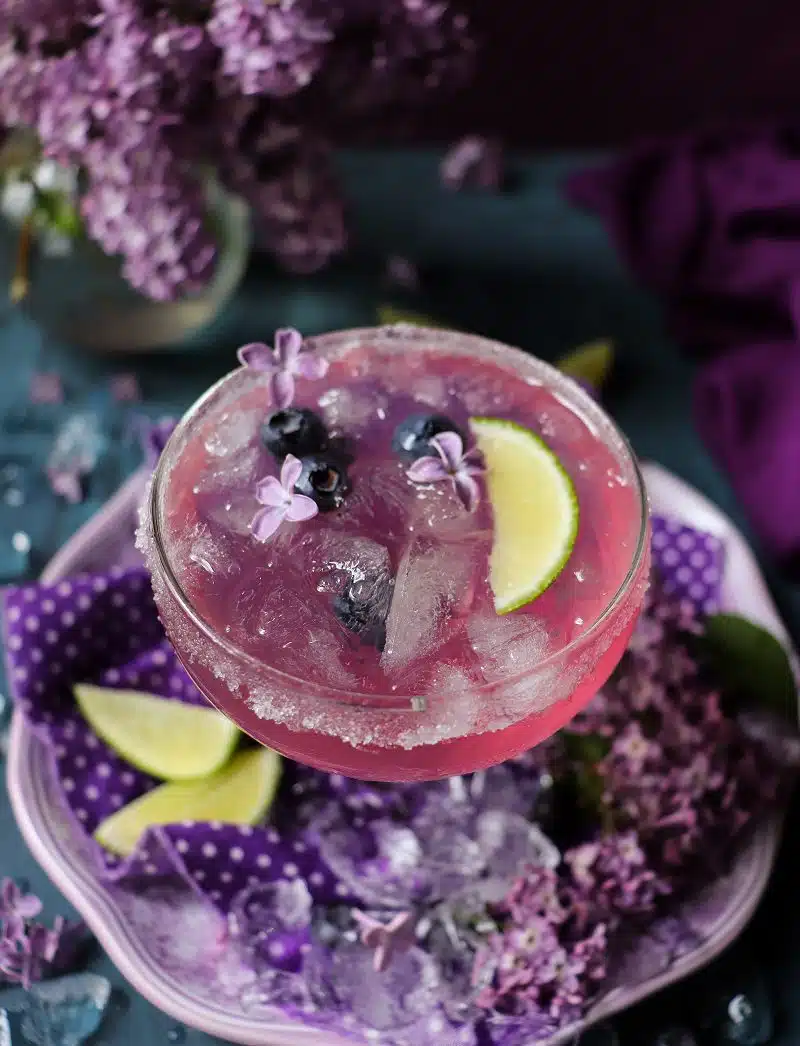
This honey lavender lemonade is a bright, floral drink made with fresh lemons and homemade lavender honey syrup. This intentionally less sweet lavender lemonade is naturally sweetened with honey, easy to adjust to taste, and perfect for anyone looking for a lavender lemonade.

Hey folks – I hope you all are doing well!
Today, I’m thrilled to share one of my favorite summer drinks: this honey lavender lemonade. It’s floral yet refreshing, bright without being overly tart, and intentionally less sweet than many traditional lemonade recipes. Instead of relying on lots of sugar, it gets its gentle sweetness from homemade lavender honey syrup, allowing the fresh lemon flavor to remain the star of the show. So, let’s dive into this lavender lemonade with honey – the perfect drink for a hot summer day!
What Makes This Honey Lavender Lemonade Special
What Does Honey Lavender Lemonade Taste Like?
Unlike many homemade lemonades that lean heavily on sugar, this lemonade with honey and lavender is all about balance. Fresh lemon juice provides a bright, vibrant citrus flavor, while honey contributes gentle sweetness along with subtle floral and fruity notes. Finally, culinary lavender adds a delicate herbal aroma that complements both ingredients without overpowering them.
The result is a lemonade that’s crisp, fragrant, and refreshing. Rather than tasting like perfume, the lavender simply enhances the citrus, making every sip feel a little more elegant and complex.
Why Honey Works Better Than Sugar in This Lavender Lemonade
While classic lemonade is traditionally sweetened with granulated sugar or simple syrup, honey offers much more than sweetness alone.
Because honey naturally contains floral, herbal, and fruity notes, it pairs beautifully with culinary lavender. The two ingredients share many of the same aromatic compounds, creating a smoother and more harmonious flavor than sugar alone. Honey also gives the lemonade a slightly fuller mouthfeel, making the drink feel richer without becoming heavy.
Another advantage is that honey dissolves directly into the warm lavender infusion, creating a fragrant syrup that’s ready to mix into the lemonade after cooling.
Intentionally Less Sweet
This recipe was developed to let the lemons shine instead of masking them with excessive sweetness.
Rather than pouring the entire batch of lavender honey syrup into the pitcher, add it gradually and taste as you go. Depending on the sweetness of your honey and the tartness of your lemons, you may not need all of the syrup – and that’s completely intentional.
In fact, this is how homemade lemonade has traditionally been prepared. Some people enjoy a brighter, more citrus-forward drink, while others prefer a sweeter lemonade. This recipe gives you the freedom to adjust both the sweetness and the floral notes to suit your own taste.
Because the syrup is added to taste, the lemonade is easy to customize for family gatherings and parties, where everyone has different preferences.

Cooking With Lavender
Is Lavender Good In Lemonade?
Absolutely – but moderation is the key.
Culinary lavender has a naturally floral, lightly herbal flavor with hints of citrus and mint. Used sparingly, it adds wonderful complexity and aroma to lemonade without overwhelming the fresh lemon juice. However, using too much lavender or simmering it for too long can create an overly medicinal or perfumed flavor.
That’s why this recipe gently simmers the lavender for just a few minutes before allowing it to continue infusing as the syrup cools. This produces a softer, more balanced floral flavor that’s noticeable without dominating the drink.
Lavender and lemon have been paired for generations because their bright, aromatic flavors naturally complement one another. Adding honey simply completes the trio, creating an elegant summer drink that’s refreshing, fragrant, and beautifully balanced.
Tips For Cooking With Culinary Lavender
Not all lavender is suitable for cooking. Always use culinary-grade dried lavender, which is grown and prepared specifically for food. Ornamental lavender sold for crafts or potpourri may not be food-safe and often has a much harsher flavor.
When cooking with lavender:
- Use it sparingly. A small amount goes a long way.
- Rub or lightly crush the dried buds before using them to release more aroma.
- Pair lavender with bright flavors like lemon, berries, peaches, vanilla, or honey.
- Allow time for infusion. Much of lavender’s flavor develops while the liquid cools rather than during prolonged simmering.
- Strain the buds after infusing to keep the finished drink smooth and delicate.
The goal is to create a subtle floral background that enhances the other ingredients rather than becoming the dominant flavor.
Ingredients You’ll Need For Lavender Lemonade with Honey
Although this honey lavender lemonade comes together with just a handful of ingredients, each one plays an important role in creating a well-balanced drink. Since the recipe is intentionally less sweet, choosing good-quality ingredients really makes a difference.
- Fresh lemons. Freshly squeezed lemon juice provides the bright, vibrant flavor that makes homemade lemonade so refreshing. Bottled lemon juice simply doesn’t have the same freshness or aroma. Depending on their size and juiciness, you’ll need about 4–5 lemons.
- Honey. Honey naturally sweetens the lemonade while contributing delicate floral and fruity notes that pair beautifully with lavender. Mild varieties such as clover, wildflower, or orange blossom honey work especially well because they complement rather than overpower the lavender. Since every honey varies in sweetness, you’ll add the syrup gradually until the lemonade tastes just right.
- Culinary dried lavender. Be sure to use culinary-grade lavender intended for cooking and baking. A small amount is enough to infuse the syrup with a gentle floral aroma without making the lemonade taste perfumed.
- Water. Water forms both the lavender honey syrup and the finished lemonade. Once everything is combined, you can easily adjust the amount to make the drink lighter or more concentrated.
- Ice. Plenty of ice keeps the lemonade crisp and refreshing, especially on hot summer days.
- Optional garnishes. Lemon slices, fresh lavender sprigs, or even a few fresh berries make simple but beautiful garnishes for serving.

How To Adjust Honey Lavender Lemonade To Your Liking
One of the advantages of making homemade lemonade is that there’s no single “correct” level of sweetness or tartness. This recipe is designed as a guide rather than a strict formula, allowing you to customize every pitcher to your own taste.
If you prefer a sweeter lemonade, simply stir in a little more of the lavender honey syrup. On the other hand, if you enjoy brighter citrus flavors, use less syrup and let the fresh lemons take center stage.
You can also adjust the floral notes. For a more delicate lavender flavor, add only part of the syrup. If you’d like the lavender to be slightly more noticeable, simply use a bit more. Since the syrup is already infused, increasing the amount enhances both the sweetness and the floral aroma.
Finally, don’t hesitate to adjust the water. Adding more creates a lighter, more refreshing drink, while using less produces a bolder lemonade with a more concentrated citrus flavor. Because every batch of lemons and every variety of honey is slightly different, tasting and adjusting as you go is the best way to make this recipe your own.
How To Store Honey Lavender Lemonade
One of the advantages of this recipe is that you can prepare both the lavender honey syrup and the finished lemonade ahead of time.
The strained lavender honey syrup can be refrigerated in a sealed jar or bottle for up to one week. Because the syrup is added to taste, it’s convenient to keep some on hand whenever you’re craving a quick glass of homemade honey lavender lemonade.
The prepared lemonade should also be refrigerated and is best enjoyed within 2–3 days. If you’re making it ahead for a gathering, consider storing the syrup and lemon juice separately, then mixing everything together shortly before serving. This keeps the flavor bright and fresh while allowing you to adjust the sweetness at the last minute.
If serving outdoors, keep the pitcher well chilled over ice and add garnishes just before serving for the freshest presentation.
More Ways To Use Lavender Honey Syrup
Once you’ve made a batch of lavender honey syrup, you’ll probably find yourself using it for much more than lemonade. Its delicate floral flavor pairs beautifully with a variety of beverages, making it a wonderful staple to keep in the refrigerator during the warmer months.
Try stirring it into:
- Iced tea, especially black tea, Earl Grey, or green tea. Earl Grey Lavender Iced Tea – Floral, Citrusy and Refreshing
- Sparkling water for a simple floral spritzer.
- Other lemonade variations, including raspberry, blueberry, peach, or strawberry lemonade.
- Cocktails, particularly those made with gin, vodka, or sparkling wine. Lavender Limoncello Gin Cocktail with Empress 1908 Gin
- Mocktails, where it pairs beautifully with citrus juices and soda water.
- Milkshakes, adding subtle floral notes to vanilla, strawberry, or peach shakes. Lavender Milkshake – A Creamy Floral Dessert Drink
- Smoothies, especially those featuring berries, peaches, or citrus.
- Coffee drinks, particularly iced lattes or cold brew if you enjoy floral flavors.
Of course, lavender honey syrup isn’t limited to beverages. It also makes a wonderful drizzle for pancakes, waffles, yogurt, fresh fruit, oatmeal, or vanilla ice cream. You can even use it to sweeten hot tea during cooler months, giving familiar drinks a delicate floral twist.
I’d love for you to try lavender lemonade with honey. If you give it a go, please share your results in the comments, message me on Instagram, or post your photos with the hashtag #havocinthekitchen. I look forward to seeing your creations and hearing your thoughts.
Cheers!


Honey Lavender Lemonade
This Honey Lavender Lemonade is a bright, floral, and intentionally less sweet summer drink made with fresh lemons and homemade lavender honey syrup. Since the syrup is added to taste, it’s easy to customize the sweetness, tartness, and floral flavor to your preference.




A lovely summer cooler!
This has so much potential for cocktails!
Ben, this honey lavender lemonade sounds like the kind of summer drink that disappears way too fast at my place bright, floral, refreshing, and not cloyingly sweet, which I love