

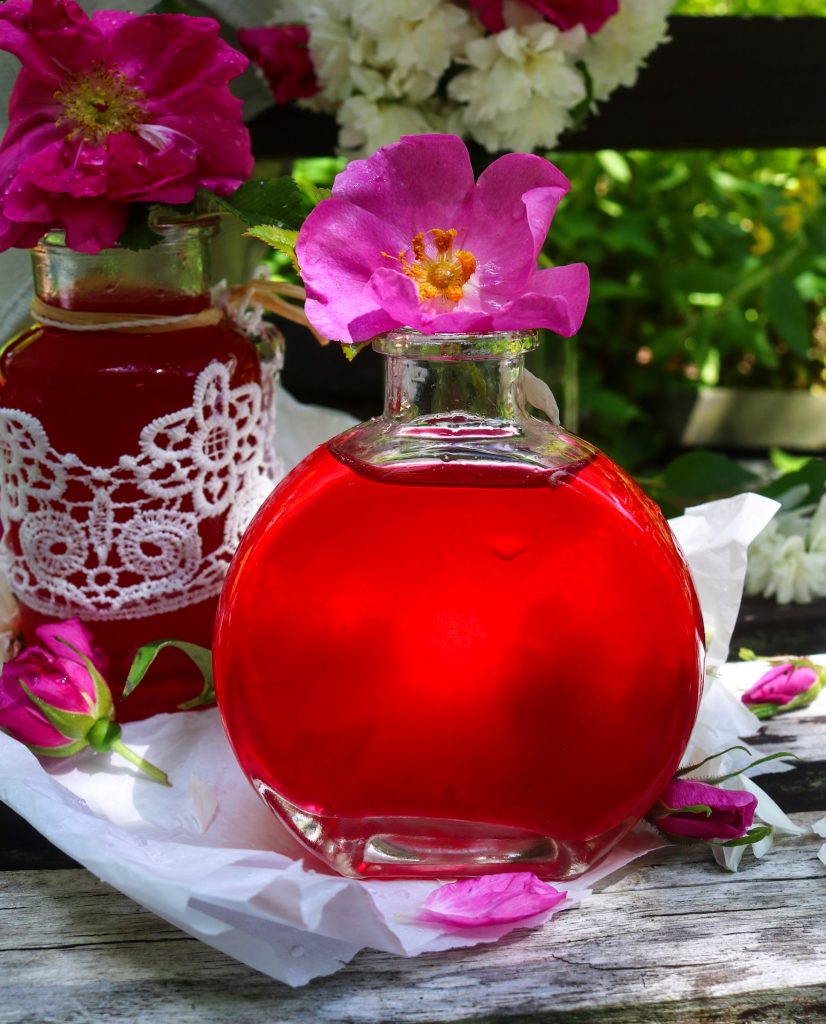
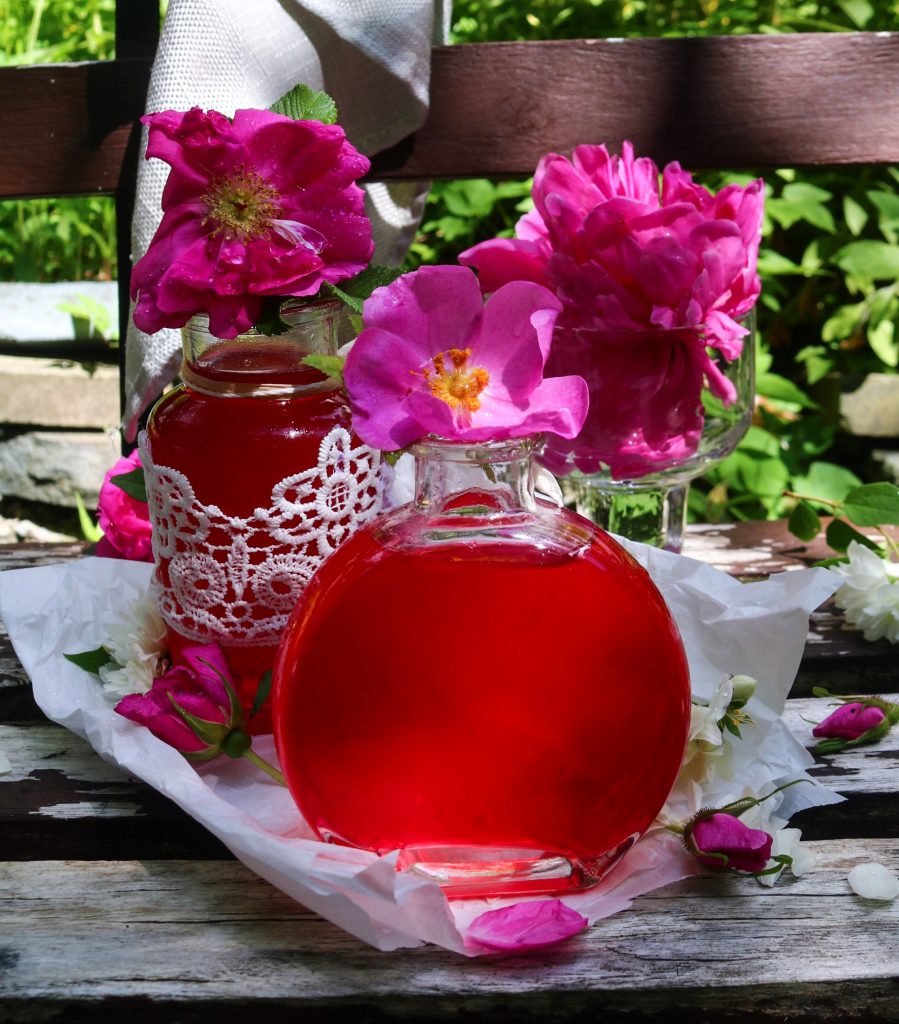
Rose Syrup is one of the easiest and most rewarding ways to preserve the fragrance of edible roses. Made with fresh rose petals, sugar, water, and lemon juice, this homemade syrup has a delicate floral flavour that’s perfect for cocktails, mocktails, teas, lemonades, desserts, and baking.
Hey, folks – I hope you’re all doing well!
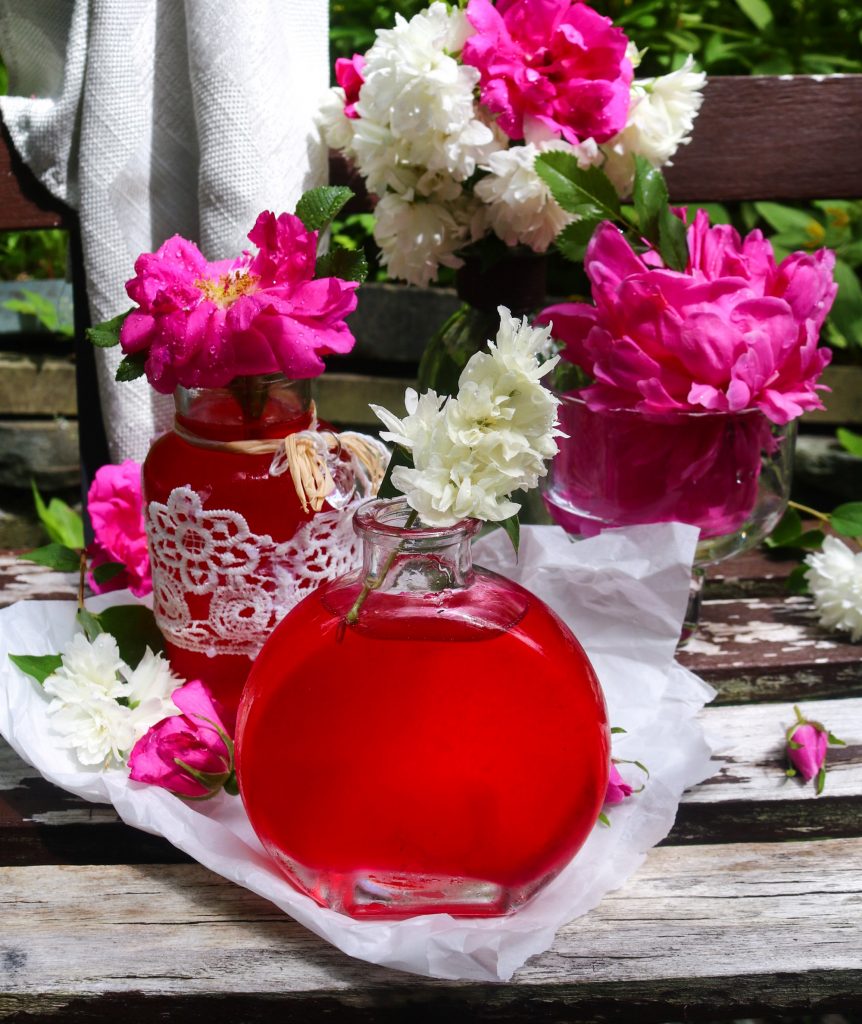
If you’ve ever wondered how to make Rose Syrup, you’re in the right place. While beautifully bottled commercial syrups are easy to find, nothing compares to making your own from fresh rose petals. Homemade rose syrup has a brighter aroma, a cleaner floral flavour, and a more natural colour. It’s also surprisingly easy to prepare and opens the door to countless drinks and desserts throughout the year.
Today, I’d also like to share a little more than just a recipe. Cooking with roses can seem intimidating at first, but it’s actually much easier than many people think. Once you learn which roses to use and a few simple techniques, you’ll discover that roses are one of the most versatile edible flowers you can grow or forage.
Why You’ll Love This Rose Syrup
This homemade rose syrup is much more than a beautiful floral sweetener.
- Made with fresh rose petals: Captures the delicate aroma that bottled syrups often lack.
- Easy to prepare: Only a handful of ingredients and minimal active cooking.
- Beautiful colour: Lemon juice transforms the syrup into a vibrant pink.
- Wonderfully versatile: Perfect for cocktails, lemonades, teas, desserts, and baking.
- A great way to preserve roses: Enjoy your garden blooms long after the flowering season ends.
- Easy to customize: Adjust the sweetness and floral intensity to your own taste.
What Does Rose Petal Syrup Taste Like?
People who have never tried rose syrup are often surprised by how delicate it is.
A well-made syrup should never taste overly floral or perfume-like. Instead, it has a light botanical character with subtle notes that may remind you of:
- Honey
- Fresh flowers
- Soft citrus
- Raspberries or strawberries
- Lychee
- Gentle spice
The exact flavour depends largely on the variety of roses you use. Some produce light, almost fruity syrups, while others create richer and more aromatic floral notes.
Fresh petals generally produce the cleanest and brightest flavour, making them my favourite choice whenever they’re available.
Can You Eat Roses?
Absolutely!
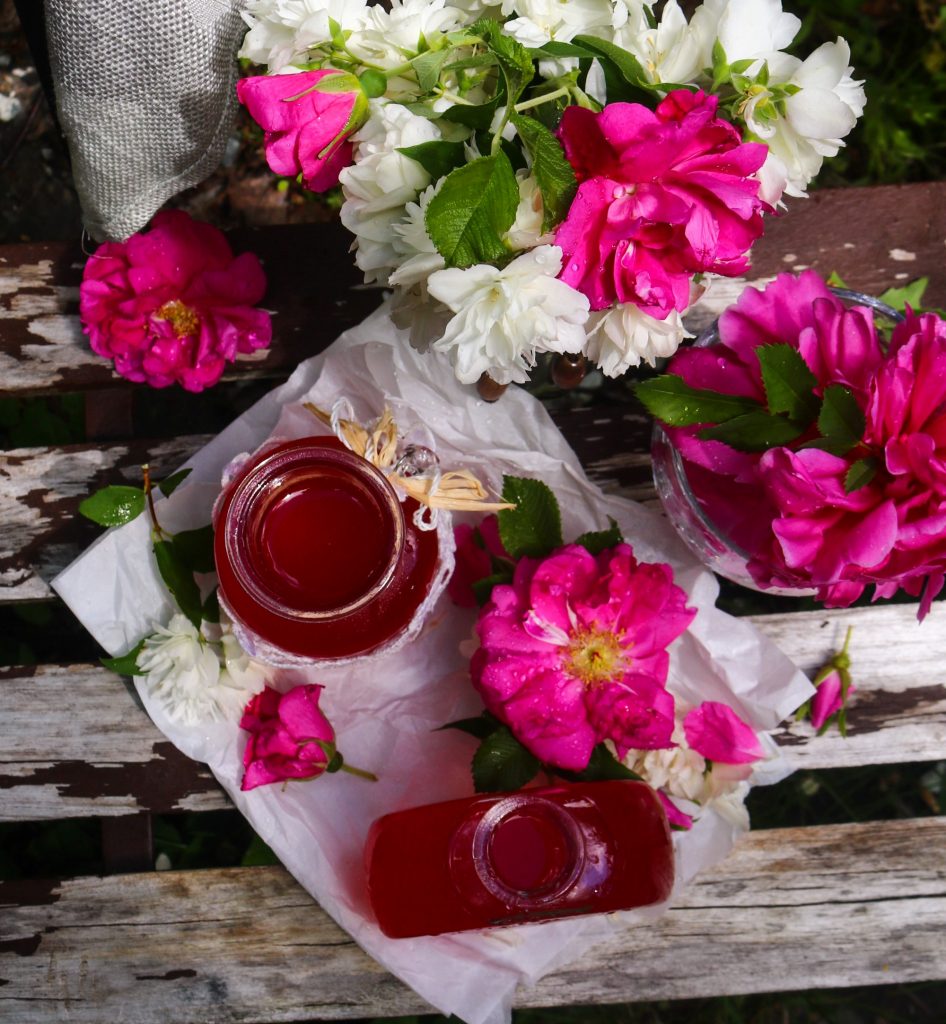
Many varieties of roses are edible and have been used in cooking for centuries across Europe, the Middle East, North Africa, and parts of Asia.
Rose petals appear in:
- Syrups
- Jams
- Jellies
- Turkish delight
- Persian desserts
- Indian sweets
- Ice cream
- Tea blends
- Cocktails
- Baking
As with any edible flower, proper identification and sourcing are essential.
Which Roses Are Best for Cooking?
Not all roses taste the same.
Different varieties vary considerably in fragrance, flavour, colour, and intensity. The good news is that rose syrup is one of the most forgiving rose recipes, making it easy to adjust as you taste.
Generally speaking:
Wild Roses
Wild species, including many rosehip roses, often produce a lighter, fresher, and slightly fruitier flavour.
Characteristics include:
- More delicate aroma
- Softer floral flavour
- Often lighter colour
- May require a few more petals
Garden Roses
Many old-fashioned garden roses, English roses, and Damask roses are considerably more fragrant.
These varieties often produce:
- More intense floral aroma
- Richer colour
- Stronger flavour
- Occasionally slight tannic or astringent notes
Because they’re naturally more potent, you may find that fewer petals produce the perfect balance. If your roses are particularly bold, adding a little extra sugar can also help soften any slight bitterness.
Dried Rose Petals
Drying concentrates both aroma and flavour.
As a result:
- Use noticeably fewer petals than fresh.
- Taste the syrup as it develops.
- It’s much easier to add more flavour than remove it.
Fortunately, unlike rose jams or jellies, this syrup is extremely forgiving. If the flavour seems too delicate, simply steep it a little longer or use slightly more petals next time. If it’s stronger than you’d like, it’s easy to balance with a little extra sugar syrup.
Can I Use Roses from My Garden?
In many cases, yes – and they’re often the very best choice.
Garden roses usually have far more fragrance than commercially grown florist roses.
Before using them, make sure they are:
- Unsprayed: Never use flowers treated with pesticides or fungicides.
- Healthy: Avoid petals showing mould or disease.
- Fragrant: Highly scented roses generally produce the best syrup.
- Freshly picked: The aroma gradually fades after harvesting.
Avoid:
- Florist roses, which are usually treated with chemicals.
- Roadside plants, which may accumulate pollutants.
- Unknown ornamental roses if you’re unsure how they were grown.
How to Harvest Rose Petals
Harvesting roses properly helps preserve both flavour and fragrance.
For the best results:
- Pick flowers in the morning after the dew has evaporated but before the heat of the day.
- Choose fully opened blooms, which tend to have the strongest aroma.
- Inspect the petals carefully for tiny insects before bringing them indoors.
- Rinse briefly if necessary, then dry gently.
- Remove the white base of the petals if your roses are noticeably bitter, although many gardeners skip this step when making syrup.
Fresh petals are always my first choice because they retain their delicate fragrance exceptionally well.
Tips for Cooking with Rose Petals
Cooking with roses isn’t difficult, but a few simple guidelines make a big difference.
- Use culinary or unsprayed garden roses only.
- Start conservatively. Rose should provide a delicate botanical note rather than dominate the recipe.
- Different varieties vary dramatically. Taste and adjust as you go whenever possible.
- Fresh petals generally produce the cleanest flavour.
- Dried petals are much more concentrated and usually require smaller quantities.
- Pair roses with complementary flavours such as citrus, berries, vanilla, pistachios, honey, white chocolate, cardamom, and almonds.
- Avoid prolonged boiling. Excessive heat can dull the delicate floral aroma.
When used thoughtfully, roses behave much more like an herb than an overpowering floral ingredient.
What Can You Make with Fresh Rose Petals?
One of my favourite things about growing edible roses is how many different recipes they inspire.
Rose Petal Preserves
Rose petals are wonderful for homemade preserves.
Some of my favourites include:
- Rose Petal Jam: Soft petals suspended in a fragrant preserve. Rose Petal Jam – A Fragrant Floral Spread with Edible Roses
- Rose Petal Jam with Rosé Wine: A slightly more elegant version with additional floral complexity Rose Petal Jam with Rosé Wine – Floral and Elegant Preserve.
- Rose Petal Jelly: Clear, delicate, and beautifully translucent with a lighter texture than jam Rose Petal Jelly – A Delicate Floral Summer Spread.
Each recipe highlights the roses in a slightly different way, making them well worth trying if you have plenty of petals available.
Drinks with Rose Petal Jam or Syrup
Rose petals are equally at home in beverages.
They can be transformed into:
- Cocktails Rose Gin Cocktail with Rose Petal Syrup and Rose Mojito – Floral Twist on a Classic Mojito
- Mocktails Lychee Raspberry Rose Lemonade – Ispahan-Inspired Drink
- Lemonades Rose Lemonade (With Rose Syrup or Jam)
- Hot teas Rose Passion Fruit Tea – A Floral Tea with a Bright Tropical Twist
This rose syrup is by far the most versatile because a single bottle can flavour countless drinks throughout the year.
Rose Desserts and Appetizers
Rose also pairs beautifully with sweet dishes.
Try incorporating it into:
- Ice cream and sorbet Rose Sorbet – A Delicate Floral Dessert with Real Rose Petals
- Milkshakes Strawberry Rose Milkshake (With Rose Petal Jam)
- Cheese appetizers Goat Cheese with Rose Petal Jam, Pistachios, and Cardamom
- Rice pudding and dessert risotto Dessert Rose Risotto with Rosé, White Chocolate and Pistachios
- Oatmeal Rose Coconut Cardamom Oatmeal – Floral & Creamy
- Cookies Rose Shortbread Cookies Recipe with Pistachios and Cardamom
- Trifles Strawberry Rose Trifle (With Rose Jam)
- Iced coffee Rose Iced Coffee with Vanilla Ice Cream – A Floral Summer Drink
Its delicate floral notes work particularly well alongside berries, stone fruit, citrus, pistachios, vanilla, and white chocolate.
Why Fresh Rose Petals Make the Best Rose Syrup
Although dried petals and rose water both have their place, fresh petals produce a syrup that’s difficult to match.
Fresh petals provide:
- Brighter aroma
- Cleaner flavour
- More vibrant colour
- A fresher botanical character
- Greater control over the final intensity
Because this recipe starts with fresh flowers, you can easily adjust the flavour to suit your own roses rather than relying on the strength of commercially dried petals or bottled extracts.
For me, that’s what makes homemade Rose Syrup so rewarding – it captures a fleeting part of the garden and preserves it in a bottle for months to come.
Ingredients You’ll Need for Rose Syrup
This homemade Rose Syrup uses just four simple ingredients, but each one contributes to the final flavour, colour, and shelf life.
- Fresh rose petals: The star ingredient. Highly fragrant, unsprayed garden roses produce the best flavour and aroma. Wild roses generally create a lighter, fresher syrup, while many old-fashioned garden roses produce a more intense floral character.
- Water: Serves as the base of the syrup and gently extracts the flavour and colour from the petals during simmering and overnight steeping.
- Granulated sugar: Sweetens the syrup while also acting as a natural preservative. Depending on the variety of roses you’re using, you may wish to use anywhere from 2 to 3 cups (400–600 g). More aromatic roses often benefit from a little extra sugar to balance their stronger flavour.
- Fresh lemon juice: Adds brightness and, perhaps most dramatically, transforms the syrup from a pale golden colour to a vibrant pink. It also helps balance the sweetness.
Optional Flavour Variations
This Rose Syrup is beautiful on its own, but it’s also easy to customize.
Some wonderful additions include:
- Vanilla bean: Adds warmth and softens the floral notes.
- Orange zest: Gives the syrup a gentle citrus sweetness.
- Lemon zest: Brightens the flavour without overpowering the roses.
- Cardamom pods: A classic Middle Eastern pairing with roses.
- A few raspberries or strawberries: Enhance both the colour and the fruity notes.
When experimenting, keep the additions subtle. Roses should remain the star of the syrup.
How to Make Rose Syrup with Fresh Petals
Making homemade rose syrup is surprisingly simple.
Inspect the rose petals carefully and remove any insects or damaged petals. If necessary, rinse them briefly under cold water and drain well.
Combine the petals, water, and sugar in a medium saucepan. Bring to a gentle simmer, stirring once or twice until the sugar dissolves completely.
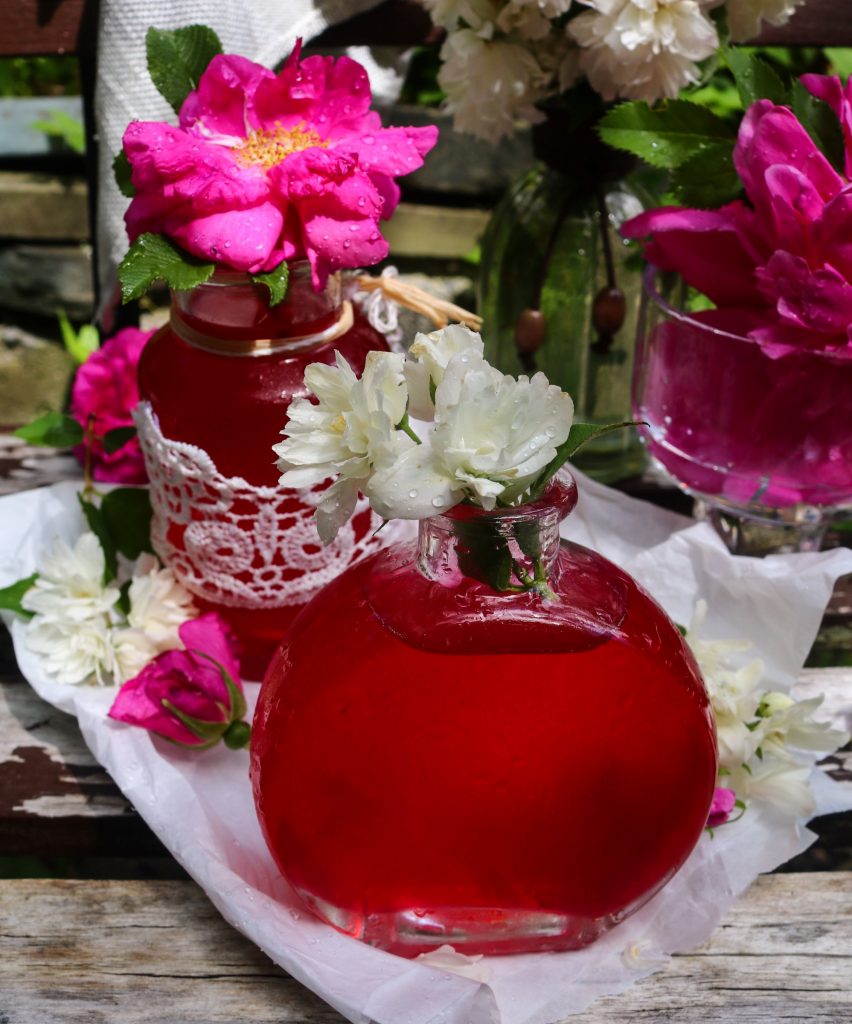
Simmer gently for about 10 minutes. Stir in the lemon juice and watch the colour transform from pale yellow to a beautiful pink.
Remove the saucepan from the heat and allow it to cool completely. Refrigerate overnight to allow the rose flavour to fully develop.
The next day, strain the syrup through a fine-mesh sieve into clean bottles or jars. Refrigerate until ready to use.
Can I Make Rose Syrup with Dried Rose Petals?
Yes.
Dried petals make an excellent alternative when fresh roses aren’t available.
Keep in mind that drying concentrates the flavour considerably.
For the best results:
- Use noticeably fewer petals than fresh.
- Taste as the syrup steeps.
- Remember that the flavour continues developing overnight.
Although dried petals work beautifully, fresh petals usually produce a brighter, fresher syrup.
I Don’t Have Fresh or Dried Rose Petals. Can I Use Rose Water?
Absolutely.
Rose water is a convenient shortcut and works well if fresh petals aren’t available.
Simply prepare a standard simple syrup using equal parts sugar and water. Allow it to cool slightly, then gradually stir in rose water, tasting after each addition.
Different brands vary considerably in strength, so it’s best to add it slowly rather than all at once.
While rose water produces a lovely syrup, fresh petals generally create a more delicate, natural, and complex flavour.
How Long Does Rose Syrup Last?
Homemade rose syrup should always be stored in the refrigerator.
Typically, it keeps well for:
- About 1 month in a clean glass bottle or jar.
- Longer if stored in sterilized containers and handled carefully.
Because homemade syrup contains no artificial preservatives, always use clean utensils when serving.
How to Extend the Shelf Life
There are a few simple ways to help your syrup stay fresh longer.
- Store it in sterilized glass bottles or jars.
- Keep it refrigerated at all times.
- Avoid introducing crumbs or dirty spoons.
- A small amount of high-proof neutral alcohol (such as vodka), about 1/2 to 1 oz (15–30 ml) per 2 cups (480 ml) of syrup, can help extend the refrigerated shelf life without noticeably affecting the flavour.
How to Tell If Rose Syrup Has Gone Bad
Always inspect homemade syrups before using them.
Discard the syrup if you notice:
- Bubbles or foaming that weren’t present originally.
- Visible mould.
- Cloudiness accompanied by fermentation. (A little sugar sediment is perfectly normal.)
- A sour, yeasty, or unpleasant smell.
- An off or fermented taste.
When in doubt, it’s always safest to make a fresh batch.
Best Ways to Use Rose Syrup
One bottle of homemade rose syrup can flavour dozens of recipes.
Some of my favourite uses include:
- Cocktails and mocktails
- Italian sodas and cream sodas
- Sparkling water
- Lemonades
- Hot and iced tea
- Coffee drinks
- Milkshakes
- Ice cream
- Pancakes and waffles
- Fruit salads
- Greek yogurt
- Cake soaking syrup
- Buttercream and whipped cream
If you’ve been following Havoc in the Kitchen, you’ll know that Rose Syrup appears in many of my favourite summer recipes Rose Rose Recipes: Drinks, Desserts and Preserves.
I’d love for you to learn how to make fresh petal rose syrup. If you give it a go, please share your results in the comments, message me on Instagram, or post your photos with the hashtag #havocinthekitchen. I look forward to seeing your creations and hearing your thoughts.
Cheers!

Rose Syrup
Learn how to make Rose Syrup with fresh rose petals. This easy homemade syrup has a delicate floral flavour and is perfect for cocktails, desserts, teas, and lemonades.
3
cups20
minutes15
minutes12
hoursKeep the screen of your device on
Ingredients
2 cups (20–25 g) fresh rose petals
2 cups (480 2 cups (480 ml) water
2–3 cups (400–600 g) granulated sugar
Juice of 1 lemon
Directions
- Prepare the Rose Petals
Inspect the petals carefully for insects and debris. Rinse briefly if necessary and drain well. - Simmer
Combine the rose petals, water, and sugar in a medium saucepan. Bring to a gentle simmer, stirring occasionally until the sugar dissolves. Simmer gently for about 10 minutes. - Add the Lemon Juice
Stir in the lemon juice. The syrup will change from a pale yellow to a vibrant pink. Remove from the heat and cool to room temperature. - Infuse Overnight
Cover and refrigerate overnight to allow the flavour to fully develop. - Strain and Store
Strain through a fine-mesh sieve into clean bottles or jars. Refrigerate until ready to use.
Notes
- Makes about 2½–3 cups (600–720 ml) syrup.
- Use 2 cups (400 g) sugar for a lighter syrup or 3 cups (600 g) for a richer, sweeter syrup with a slightly longer shelf life.
- Different rose varieties produce different flavours and colours.
- Wild roses generally require more petals, while highly fragrant garden roses may need fewer.
- Store refrigerated for about 1 month.
- A small amount of vodka (about ½–1 oz / 15–30 ml) may help extend the refrigerated shelf life.



You did those photographs outside in your new garden Ben? They are really bright and summery looking. I’ve never made my own rose syrup before but now I know where to come to if I want to recipe to do so. Thanks!
These photos do indeed look awesome, Ben! I’ve come across a number of recipes over the years for rose syrup (mainly in cakes and also in cocktails), but I’ve never made my own. It’s so cool that this syrup is made from wild rose petals! Now I just need to find me some wild roses…