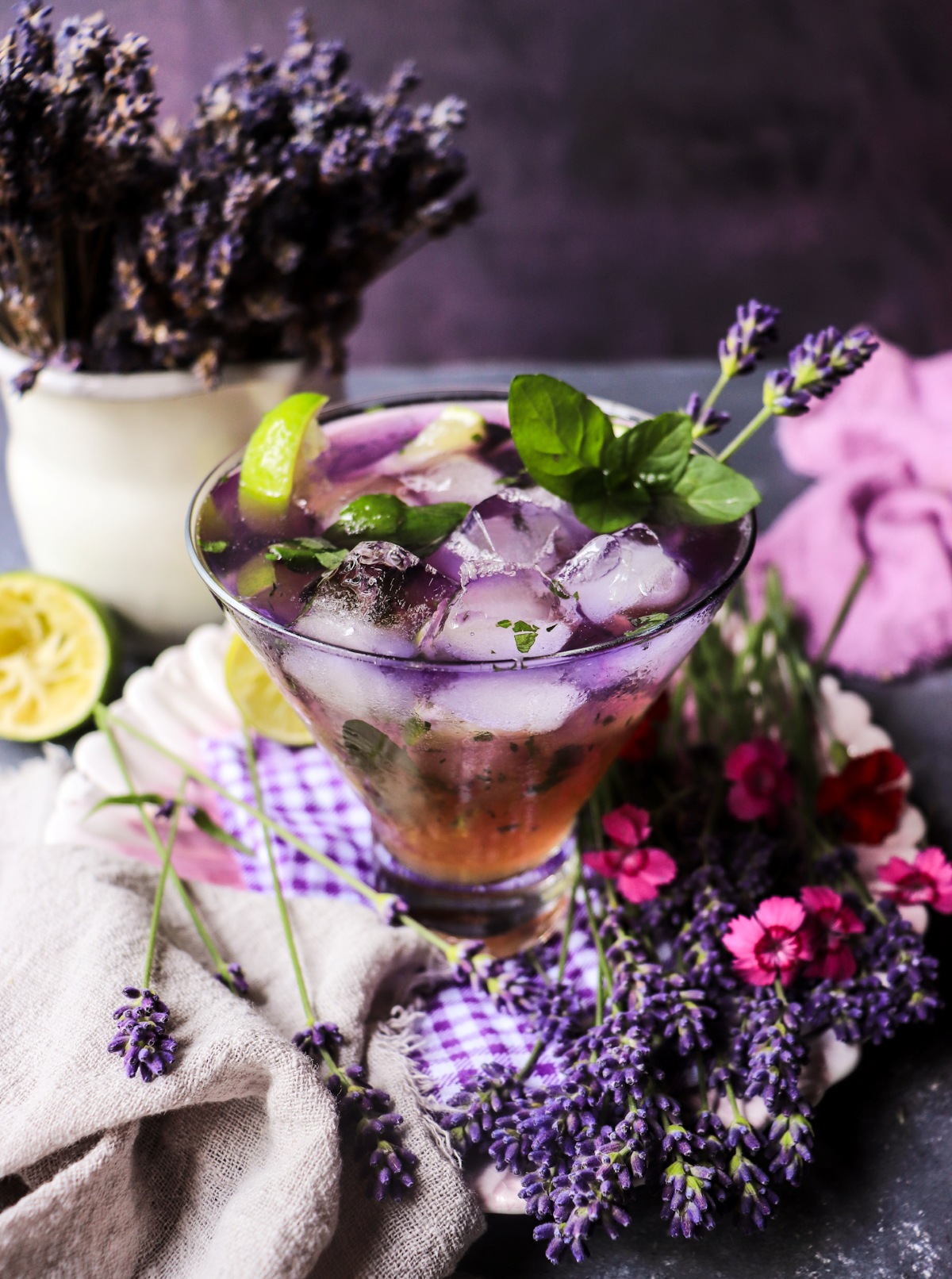
The water lily cocktail is an elegant gin drink made with Cointreau, crème de violette, and fresh lemon juice. Floral yet refreshing, this beautiful violet cocktail balances delicate floral notes with bright citrus and botanical flavours.

Hey, folks – I hope you all are doing well!
If you love floral flavours in cocktails, you may already have a bottle of crème de violette in your collection. And while there are quite a few ways to use this beautiful liqueur, the water lily cocktail is arguably one of the best.
It is sophisticated and complex yet surprisingly approachable. Besides, its equal-parts formula makes it wonderfully easy to remember. And just look at that gorgeous colour! So, let me introduce the Water Lily Cocktail – an elegant gin cocktail with violet liqueur and Cointreau.
What Is a Water Lily Cocktail?
The water lily cocktail is a modern classic created by bartender Richard Boccato at Milk & Honey in New York City in 2007. It combines equal parts gin, Cointreau, crème de violette, and fresh lemon juice.
While the ingredient list is short, the flavour profile is anything but simple. Floral violet, sweet orange, tart lemon, and botanical gin all have distinctive personalities. Yet, they complement one another beautifully in this elegant drink.
The Water Lily Cocktail at a Glance
The classic water lily cocktail follows an easy equal-parts formula. Each of its four ingredients contributes something important to the overall flavour and balance.
- Gin – It creates a dry botanical backbone and balances the sweeter liqueurs. Juniper and citrus botanicals are particularly lovely with violet.
- Crème de violette – This floral liqueur contributes its distinctive violet aroma, subtle sweetness, and beautiful purple hue.
- Cointreau – Sweet and aromatic orange notes connect the floral violet with tart lemon, while also adding another layer of citrus complexity.
- Fresh lemon juice – Bright acidity cuts through the two liqueurs and keeps the cocktail lively and refreshing.
- Equal proportions – The same amount of each ingredient makes this water lily cocktail with gin and Cointreau particularly easy to remember and prepare.
Despite containing two liqueurs, the water lily cocktail is not simply sweet. Gin adds structure, while a generous amount of fresh lemon provides enough acidity to balance both Cointreau and crème de violette.
What Is Crème de Violette?
Crème de violette is a sweet floral liqueur traditionally flavoured with violets. Its distinctive aroma and purple colour make it instantly recognizable, although both the intensity of the violet flavour and the exact hue can vary between brands.
It is also quite a potent flavour. Even a relatively small amount can give a drink a noticeable floral character. However, in this water lily cocktail with crème de violette, the liqueur is not merely an accent. It represents one quarter of the drink and plays an equally important role alongside gin, orange, and lemon.
That generous proportion is one reason this is such an interesting crème de violette cocktail. Instead of hiding the violet behind other flavours, the recipe allows it to shine while using citrus and botanicals to keep it balanced.

What Pairs Well with Crème de Violette?
Despite its distinctive floral personality, crème de violette is surprisingly versatile. It works especially well with ingredients that either contrast its sweetness or complement its aromatic qualities.
- Gin – Juniper and other botanicals offer a dry, herbal contrast to sweet violet. This is one of the most natural spirit pairings for the liqueur.
- Citrus – Lemon is particularly effective because its acidity keeps violet fresh and bright. Lime and grapefruit can work nicely, too.
- Orange – Fresh orange and orange liqueurs complement violet with a sweeter, rounder citrus profile. This combination is particularly important in a gin Cointreau cocktail such as the water lily.
- Sparkling wine – Champagne, Prosecco, and other dry sparkling wines lighten the liqueur and emphasize its delicate aroma.
- Vodka – Its neutral character allows violet to become much more prominent, making it useful for simpler floral drinks.
- Berries – Strawberry, raspberry, blueberry, and blackberry all pair naturally with floral flavours.
- Stone fruit – Peach and apricot have a soft, fragrant sweetness that works particularly well with violet.
- Honey – Used sparingly, honey can enhance the floral character while adding a softer, more rounded sweetness.
For a gin cocktail with violet liqueur, citrus is particularly useful. Its acidity balances the sweetness while allowing the violet aroma to remain distinctive.
Water Lily vs. Aviation Cocktail
The Aviation is probably the most famous point of comparison for the water lily cocktail. Both combine gin, crème de violette, and fresh lemon, but one important ingredient sends them in quite different directions.
- The water lily uses Cointreau – Orange liqueur adds sweet, aromatic citrus and creates a brighter, fruitier profile.
- The Aviation uses maraschino – Maraschino liqueur introduces distinctive cherry and subtle almond-like notes rather than orange.
- The water lily uses equal proportions – Gin, Cointreau, crème de violette, and lemon all have comparable prominence in the classic formula.
- The Aviation is more gin-forward – Gin normally represents a larger proportion of the drink, while the liqueurs are used more sparingly.
- The water lily is more floral and citrus-forward – Orange and violet are particularly noticeable, while fresh lemon keeps everything vibrant.
- The Aviation is generally drier – Its greater proportion of gin gives it a somewhat stronger, more spirit-forward personality.
Another related drink is the Blue Moon, a cocktail with crème de violette that combines the liqueur with gin and lemon. Without Cointreau or maraschino, however, it puts even greater emphasis on the direct combination of violet and gin.
Why You’ll Love This Water Lily Cocktail
There is much more to the water lily cocktail than its striking colour. Violet, orange, lemon, and gin each bring something different to the glass, creating a drink that feels floral and elegant without becoming excessively sweet or perfume-like.
Citrus and Violet Are a Natural Pairing
Violet has a sweet and aromatic character, so citrus provides exactly the kind of contrast it needs. In this cocktail, two different citrus flavours create additional depth.
- Lemon adds tartness – Fresh lemon juice cuts through the sweetness of both liqueurs and gives the drink its refreshing edge.
- Orange adds aromatic sweetness – Cointreau offers a softer citrus note that complements rather than competes with the violet.
- Together, they create complexity – Tart lemon and sweeter orange approach the floral flavour from two different directions.
- Citrus keeps violet fresh – The acidity prevents the floral character from becoming heavy or perfume-like.
This balance is particularly important in a water lily cocktail with gin and Cointreau. Without enough acidity, equal quantities of Cointreau and crème de violette could easily make the drink feel much sweeter.
Violet and Gin Work Beautifully Together
Gin is another excellent partner for violet because its botanicals provide contrast to the liqueur’s softer floral personality.
- Juniper adds structure – Its dry, piney character offsets the sweetness and fragrance of violet.
- Citrus botanicals create continuity – They can reinforce both the fresh lemon and orange liqueur already present in the cocktail.
- Herbal notes add complexity – Depending on the gin, herbs and spices can introduce subtle savoury elements that make the floral flavour more sophisticated.
- Gin keeps the cocktail spirit-forward – Despite its delicate appearance, this violet gin cocktail still has plenty of botanical character.
A classic London dry gin is an excellent choice for a gin and crème de violette cocktail because its assertive juniper stands up well to the two liqueurs. A softer, citrus-forward gin will work, too, particularly if you want to emphasize the brighter side of the drink.

What Does a Water Lily Cocktail Taste Like?
The water lily cocktail tastes floral, citrusy, lightly sweet, and tart, with a botanical backbone from the gin. While violet is certainly noticeable, the drink has enough citrus and juniper to prevent it from becoming overwhelmingly floral.
- Floral – Crème de violette provides the signature aroma and a delicate floral sweetness.
- Citrusy – Fresh lemon is bright and tart, while Cointreau adds a sweeter orange character.
- Botanical – Gin introduces juniper and other botanicals, adding depth and balancing the liqueurs.
- Sweet and tart – The sweetness of Cointreau and crème de violette meets an equal measure of lemon juice, creating plenty of contrast.
- Refreshing – Shaking the drink with plenty of ice adds the chilling and dilution needed to bring all four strong flavours together.
Overall, this gin cocktail with violet liqueur is much more balanced than its delicate appearance might suggest. It is a lovely choice for anyone who enjoys floral flavours but still wants a cocktail with plenty of citrusy freshness and botanical complexity.
Ingredients You’ll Need for Water Lily Cocktail with Crème de Violette & Cointreau
One of the best things about the water lily cocktail is its wonderfully simple ingredient list. You need only four ingredients in equal proportions, but because there are so few, their quality and individual flavour profiles really matter.
- Gin – A classic London dry gin is an excellent choice, particularly if you enjoy a crisp, juniper-forward drink. However, a softer gin with prominent citrus or floral botanicals will also work beautifully.
- Crème de violette – This is the ingredient responsible for the distinctive floral flavour and gorgeous colour. Different brands vary in sweetness, intensity, and hue, so your finished crème de violette cocktail may look and taste slightly different depending on the bottle you use.
- Cointreau – Its concentrated orange flavour adds sweetness and aromatic citrus notes. You could experiment with another quality triple sec, but Cointreau is the classic choice and works particularly well with violet.
- Fresh lemon juice – Freshly squeezed juice is essential in such a simple drink. Its bright acidity balances the two sweet liqueurs and keeps the cocktail crisp and refreshing.
- Garnishes – Lemon and orange are both natural choices, while edible flowers can highlight the drink’s floral character and beautiful colour.

How to Make a Water Lily Cocktail
This water lily cocktail with crème de violette could hardly be easier to prepare. Since it follows an equal-parts formula, you do not even need to memorize complicated proportions.
- Combine the ingredients – Add equal amounts of gin, Cointreau, crème de violette, and freshly squeezed lemon juice to a cocktail shaker filled with ice.
- Shake thoroughly – Shake vigorously until the shaker feels very cold. Besides chilling the ingredients, this provides enough dilution to soften the alcohol and bring the strong citrus and floral flavours into balance.
- Strain – Strain the cocktail into a chilled coupe or another stemmed cocktail glass. You can fine-strain it if you want to remove tiny pieces of ice or citrus pulp.
- Garnish and serve – Add your preferred citrus or floral garnish and enjoy immediately while the cocktail is properly chilled.
And that is it! The classic formula is simply one part gin, one part Cointreau, one part crème de violette, and one part lemon juice. This simplicity makes the water lily cocktail especially convenient when preparing more than one drink.
How to Garnish a Water Lily Cocktail
With its delicate violet colour, the water lily cocktail already looks impressive without much help. Still, a thoughtful garnish can highlight the flavours in the glass as well as make the presentation even more beautiful.
Here are a few options that work particularly well:
- Orange peel – A strip or twist of orange peel echoes the Cointreau. Express it over the drink first if you want to add fresh orange oils and aroma.
- Orange slice – A thin slice or small wedge provides a brighter pop of colour and makes the orange component immediately recognizable.
- Lemon peel or slice – Lemon reinforces the fresh citrus character and creates an attractive contrast with the pale violet drink.
- Orange and lemon together – There is no reason you need to choose only one. Using both makes sense because each citrus plays an important role in the cocktail.
- Edible violets or pansies – These are especially fitting for a violet-based drink. A few small edible flowers floating on the surface can make the cocktail particularly striking.
- Combine citrus and flowers – For a more decorative presentation, pair a small citrus garnish with one or two edible flowers. Just keep things restrained so the garnish does not overwhelm the glass.
If using fresh flowers, make sure they are edible and intended for culinary use rather than flowers treated with pesticides or other chemicals.
More Crème de Violette Cocktails to Try
Once you have discovered how well violet works with gin and citrus, there are plenty of other ways to use that bottle. Some drinks emphasize the floral liqueur, while others use just enough to add aroma, colour, and complexity.
- Aviation Cocktail with Empress 1908 Gin
- Crème de Violette Martini with Gin – Elegant Floral Cocktail
- Violet Gimlet with Empress 1908 Gin
- Violet Mojito – A Floral Twist with Crème de Violette
- Blackberry Violet Spritz with Crème de Violette
- Strawberry Violet Spritz with Gin and Crème de Violette
- Strawberry French 75 with Crème de Violette
I’d love for you to try this water lily cocktai. If you give it a go, please share your results in the comments, message me on Instagram, or post your photos with the hashtag #havocinthekitchen. I look forward to seeing your creations and hearing your thoughts.
Cheers!


Water Lily Cocktail with Crème de Violette & Cointreau
Water lily cocktail made with equal parts gin, Cointreau, crème de violette, and fresh lemon juice. Floral, citrusy, refreshing, and beautifully violet-hued.