
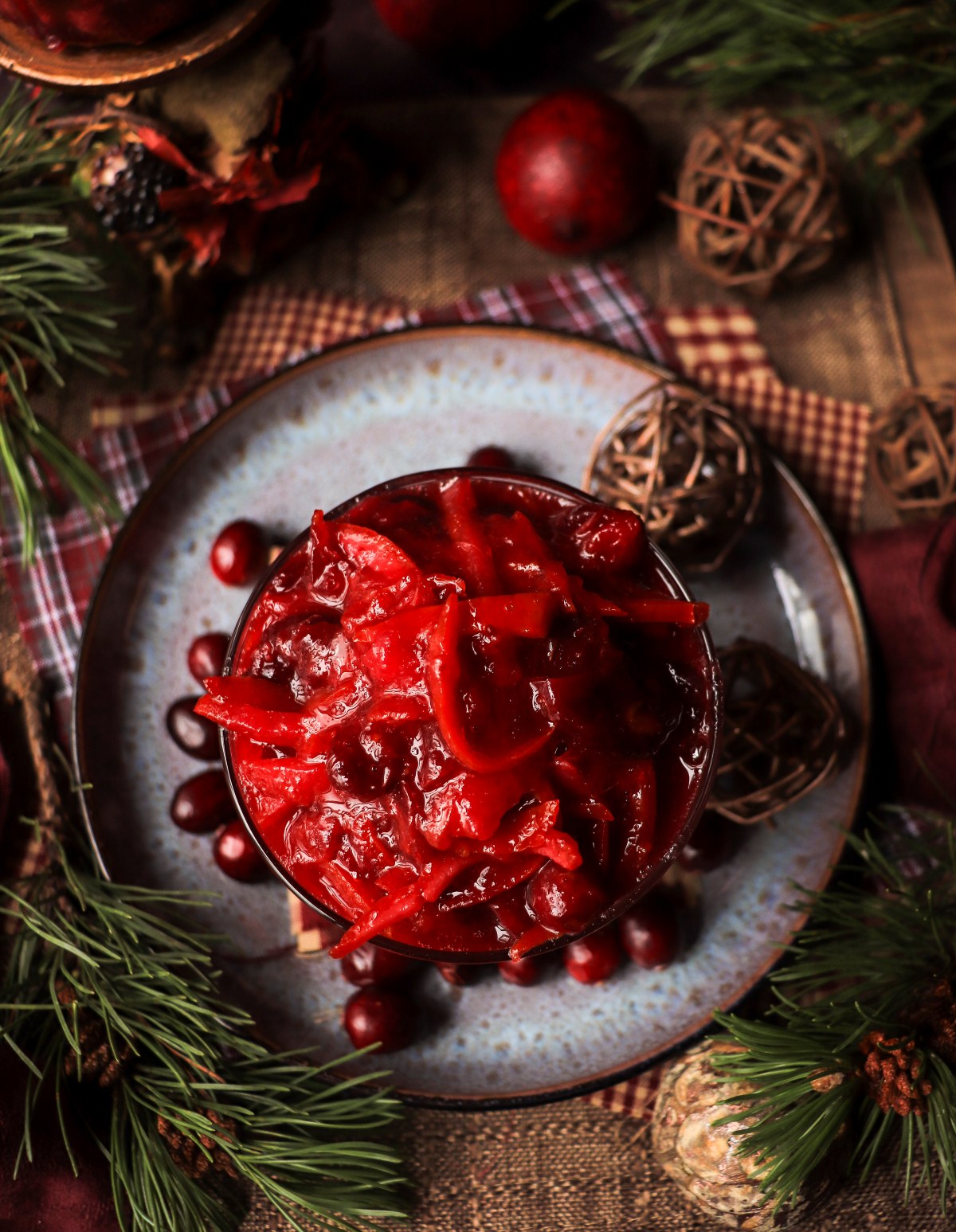
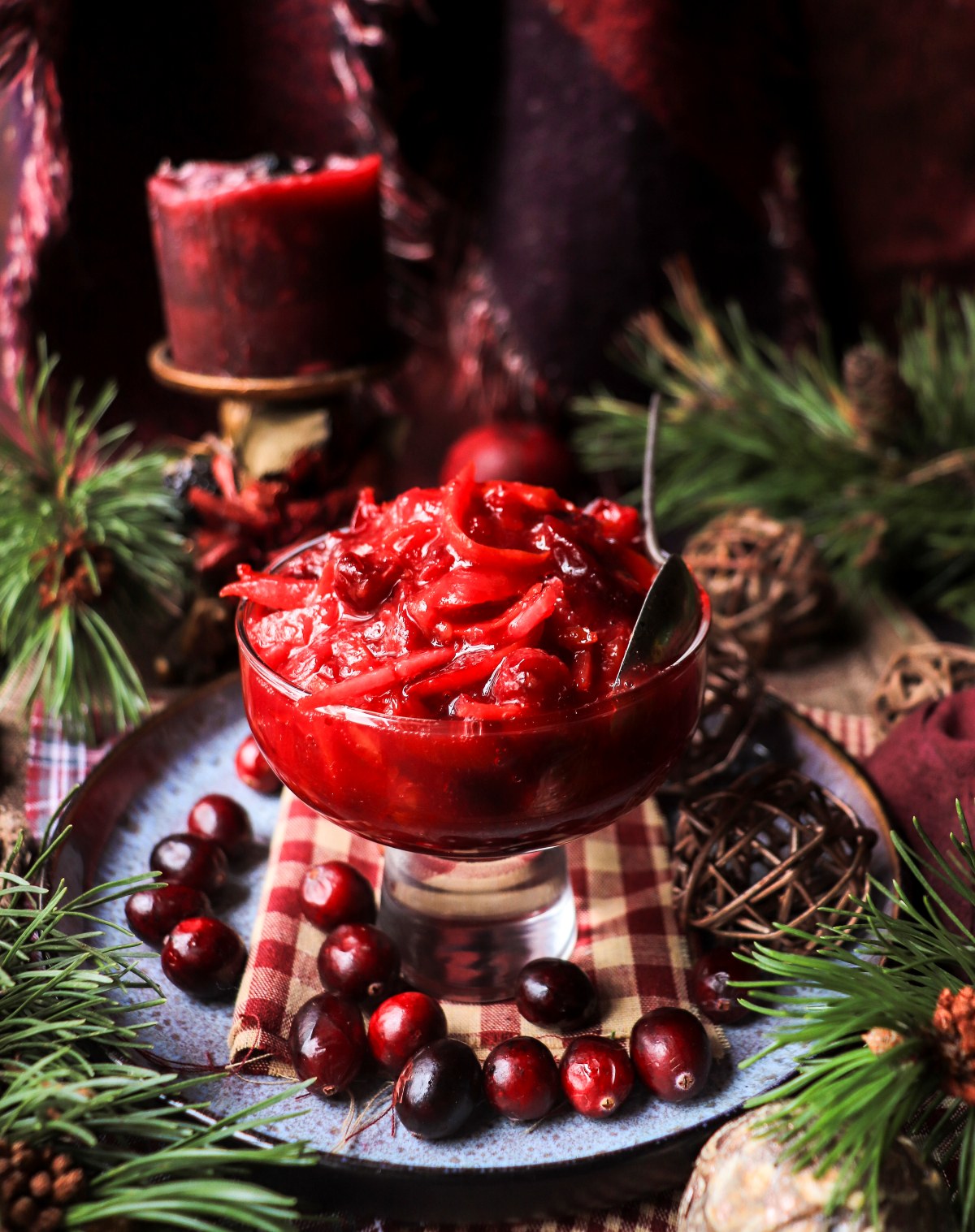
This orange cranberry marmalade is a bright, fruit-forward preserve that combines fresh oranges, tender citrus peel and tart cranberries. Beautifully vibrant and intentionally less sweet, it makes a lovely addition to the Christmas table and beyond.
Hey folks – I hope you all are doing well!
Homemade preserves are such a lovely way to bring seasonal flavours to the table, especially during the holidays. This combination of oranges and cranberries has everything I enjoy in a festive preserve: generous fruit, a pleasant citrus bitterness, a little tartness and a gorgeous deep-red colour. It is equally at home on a breakfast table, alongside a cheese board or tucked into a savoury holiday appetizer. So, let’s dive into this festive orange marmalade with cranberries!
Orange Cranberry Marmalade – A Bright and Festive Citrus Preserve
A Beautiful Marriage of Sweet Oranges and Tart Cranberries
Oranges and cranberries are natural companions. The oranges bring fragrant citrus notes and gentle sweetness, while cranberries contribute their characteristic tartness and beautiful ruby-red colour.
Unlike some sweeter fruit spreads, this combination retains a noticeable contrast between the two fruits. Neither flavour completely dominates, making Orange Marmalade with Cranberries a particularly appealing seasonal variation.
Generous Orange Pulp and Tender Strips of Citrus Peel
One of the characteristics that makes this preserve distinctive is the generous use of the orange itself. Rather than relying on juice alone, the recipe incorporates plenty of fresh orange pulp alongside strips of peel.
The result is a substantial, fruit-forward texture with visible citrus pieces and softened cranberries. The peel contributes a gentle bitterness that balances the fruit, while the pulp gives the finished preserve more body.
Orange & Cranberry Marmalade: A Beautifully Vibrant, Jewel-Red Christmas Preserve
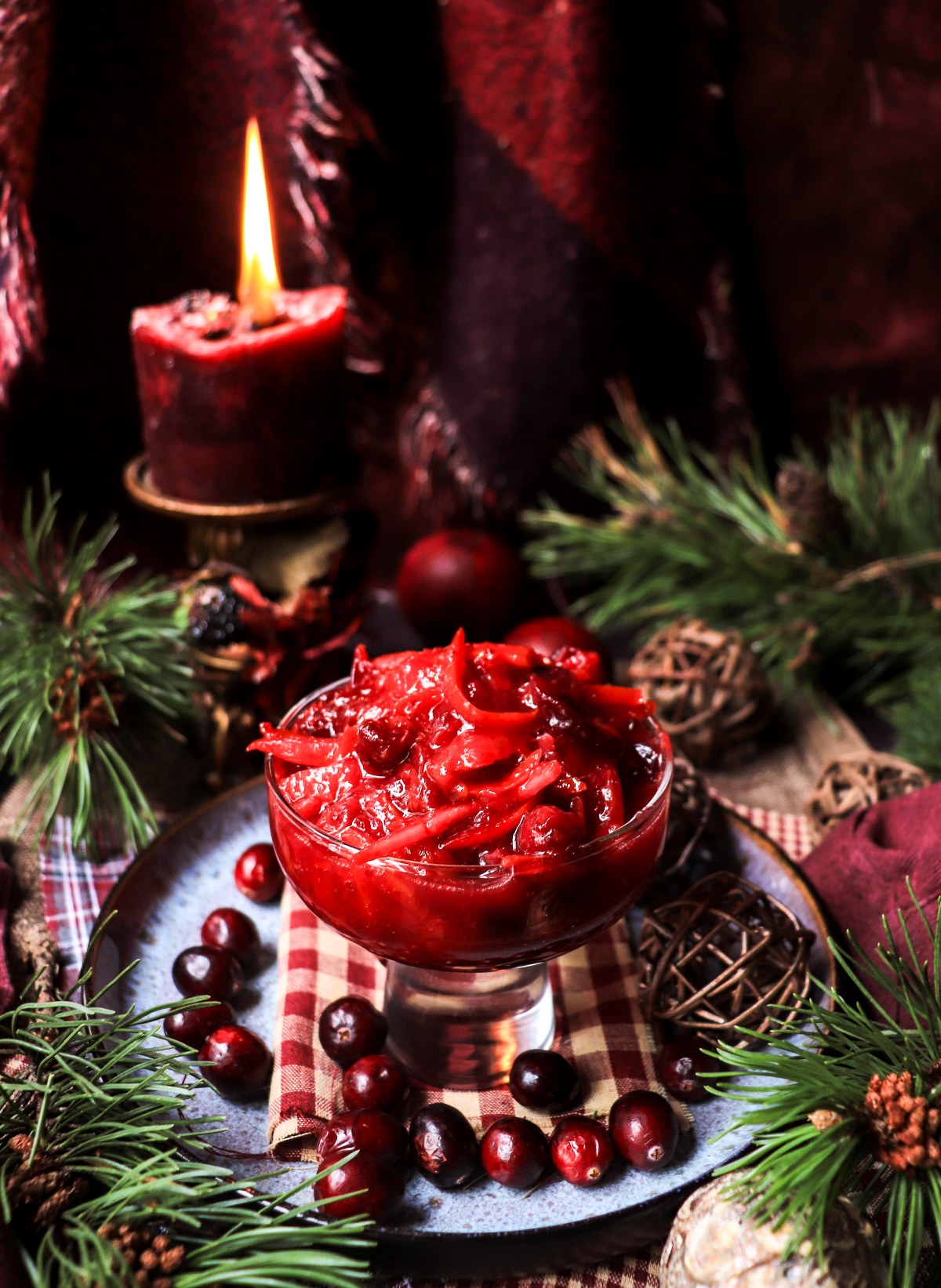
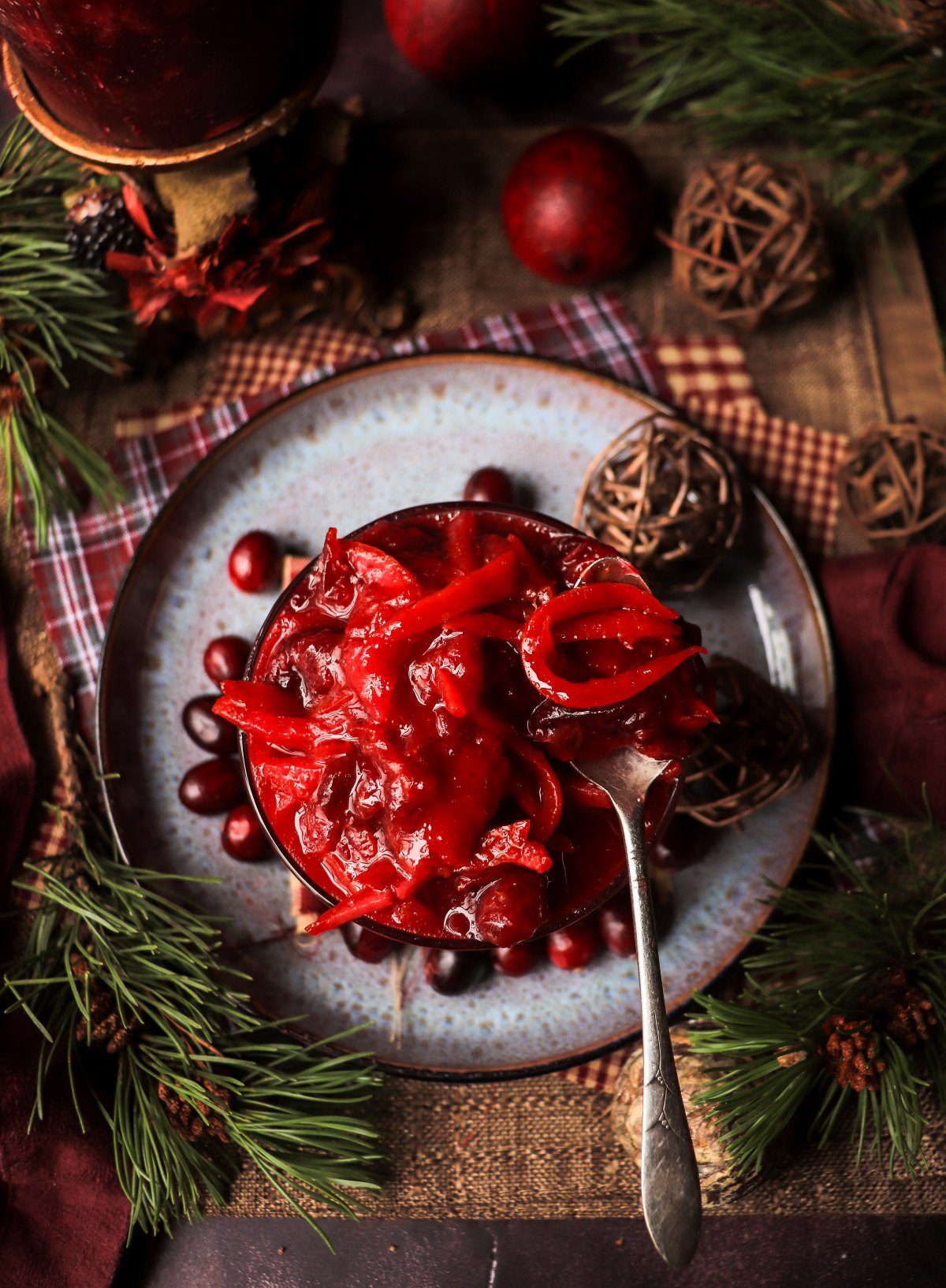
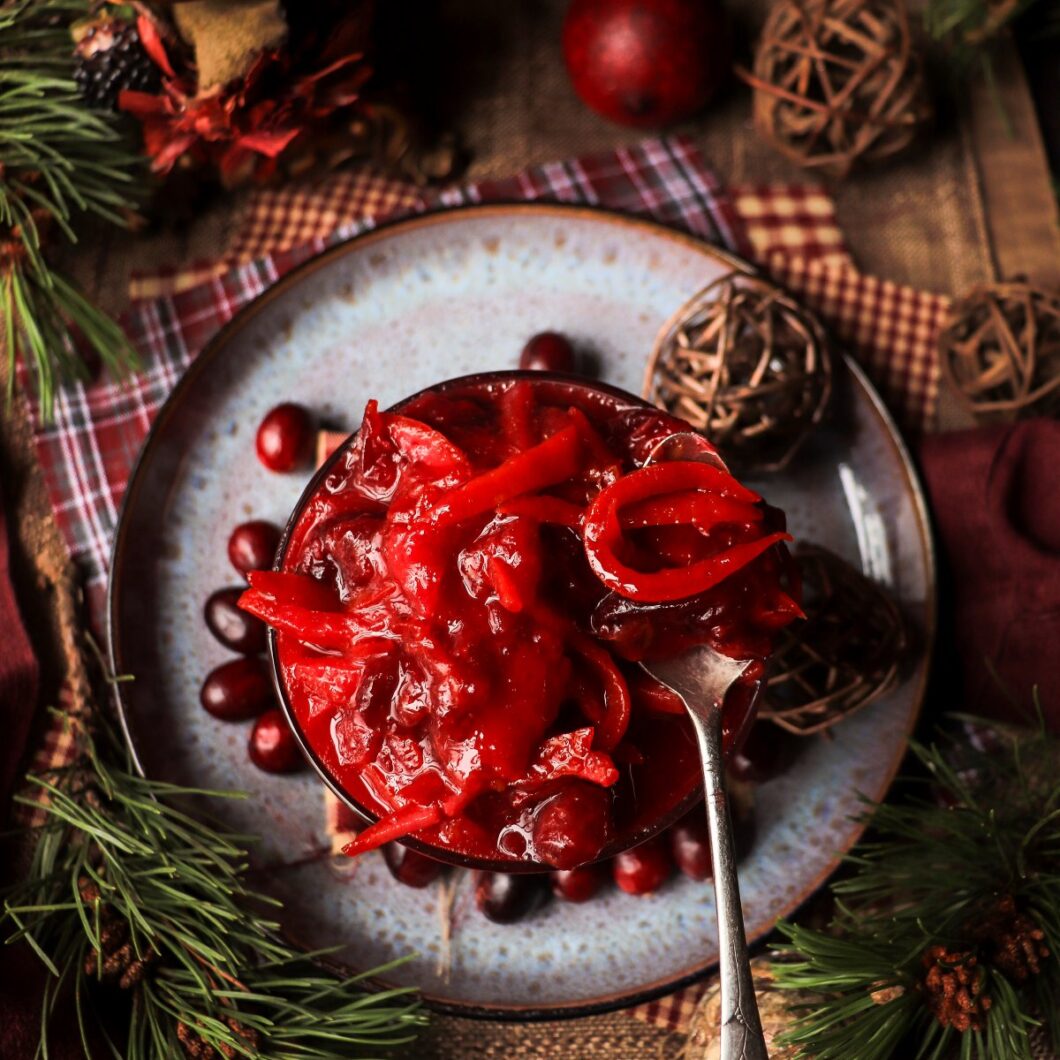
Cranberries transform the appearance of traditional orange marmalade, producing a rich red colour with glossy citrus strips throughout. It looks particularly attractive in a small glass serving bowl or presented in jars for holiday gifting.
Although Christmas marmalade is a fitting description, this preserve is not limited to December. Its citrus and cranberry flavours work throughout the colder months, making it just as welcome at a winter breakfast or weekend brunch.
A Gentler Take on Traditional Orange Marmalade
Traditional orange marmalade is often associated with bitter oranges, particularly Seville oranges, and their characteristic balance of sweetness and bitterness. This recipe takes a slightly different approach, using regular fresh oranges and cranberries.
If you enjoy bitter orange marmalade, you may appreciate the gentle bitterness contributed by the citrus peel here. However, the cranberries bring an additional tart, fruity dimension that makes this version quite different.
Intentionally Less Sweet Orange and Cranberry Marmalade, With Plenty of Fruit Character
I deliberately keep the sugar relatively restrained, using just one cup for a generous quantity of oranges and cranberries. This allows the natural character of the fruit to remain noticeable rather than turning the preserve into a predominantly sweet spread.
The slight bitterness of the peel and the tartness of the cranberries are important parts of its appeal. If you generally prefer a less sweet orange marmalade, this fruit-forward variation is worth trying.
Sweet, Tangy and Wonderfully Versatile
The balance of citrus, cranberry and restrained sweetness makes this preserve useful beyond the usual breakfast applications. It can accompany both sweet and savoury dishes, particularly during the festive season.
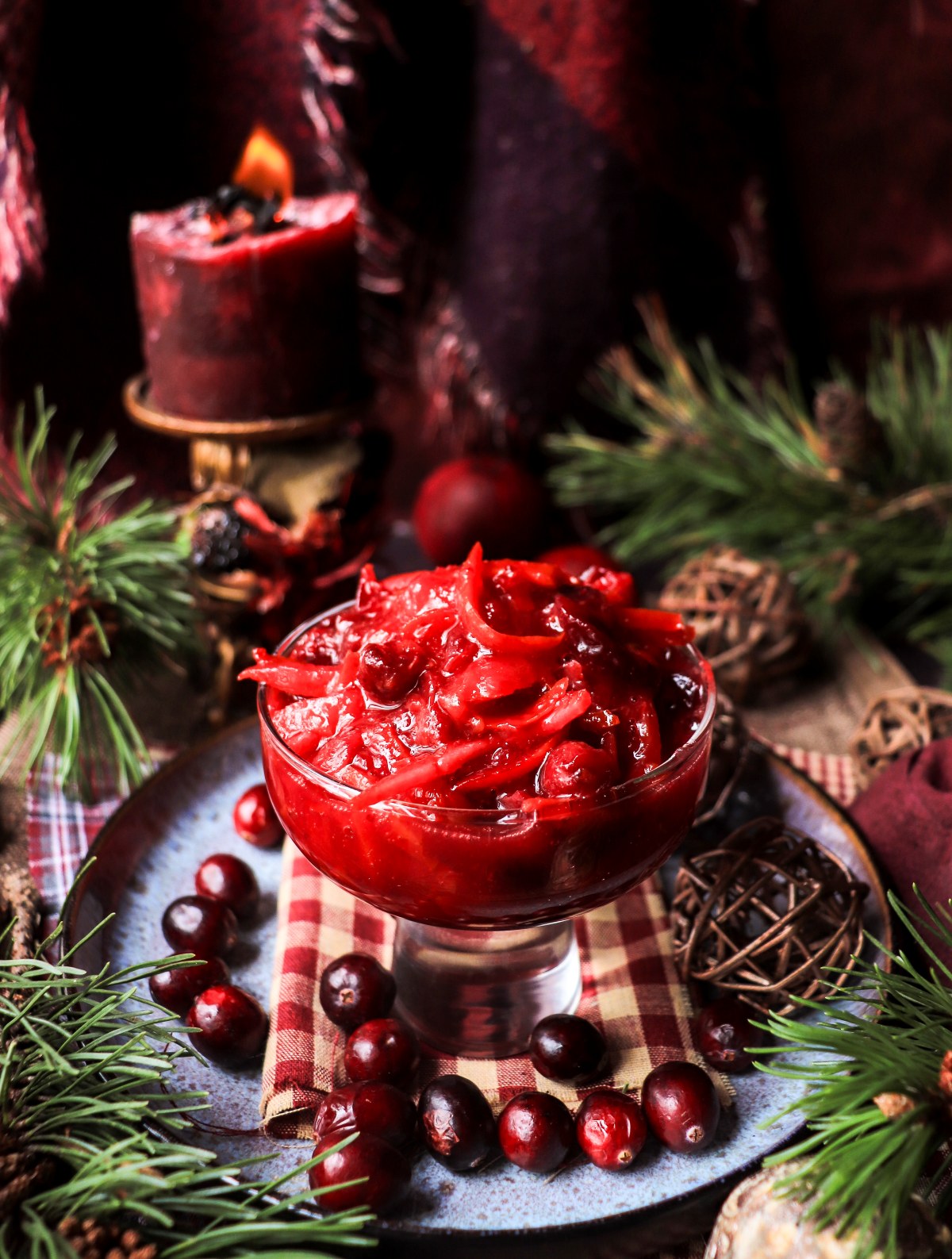
Ingredients You’ll Need for Orange Cranberry Marmalade
The ingredient list is relatively short, but each component contributes something important to the finished preserve.
- Oranges: Use approximately five to six large oranges. You’ll need the peel, freshly squeezed juice and as much usable pulp as possible. Thin membranes are fine, but avoid thick white pith and seeds.
- Cranberries: Approximately 250–300 g of fresh or frozen cranberries provide tartness, colour and additional fruit texture.
- Sugar: One cup is sufficient for the intentionally less-sweet character of this recipe.
- Water: Used for blanching the peel and adjusting the consistency during cooking if needed.
- Triple Sec (optional): A small splash can complement the orange flavour and add a subtle liqueur note.
Does This Orange Marmalade Require Pectin?
No commercial pectin is necessary. Oranges naturally contain pectin, particularly in their peel and white pith, while cranberries also contribute natural pectin. Together, these fruits provide natural thickening properties as the mixture cooks.
Keep in mind that the final consistency can vary depending on the fruit, its natural pectin content, acidity and how much moisture evaporates during simmering. Since this is a relatively low-sugar, fruit-forward preserve, expect a softer consistency than some traditional, high-sugar marmalades.
How to Make Less Sweet Orange Cranberry Marmalade
The preparation involves several stages, with the orange peel simmered first and cranberries added later. This allows the citrus peel to soften before the cranberries break down and contribute their colour.
Prepare and Blanch the Orange Peel
Remove the peel from five to six large oranges, aiming for approximately 200 g. Some thin white pith is perfectly acceptable, so there is no need to remove every trace of it.
Cut the peel into thin strips. Place it in a pot with two cups of water, bring to a boil and cook for five minutes. Drain and discard the blanching water.
This step is optional but recommended if your oranges are particularly bitter or contain more white pith. Blanching helps moderate excessive bitterness while allowing the peel to remain an important part of the finished marmalade.
Simmer the Orange Juice, Pulp and Peel
Squeeze the oranges and scoop out as much usable pulp as possible. Thin membranes are fine, but remove thick white elements and any seeds.
Return the drained peel to the pot and add the freshly squeezed juice and pulp. I ended up with approximately 4½ cups of combined juice and pulp.
Bring everything to a gentle simmer and cook for about 45 minutes, or until the peel becomes tender and translucent. This is an important stage because the peel needs sufficient time to soften before the remaining ingredients are introduced.
Incorporate the Sugar and Develop the Marmalade
Stir in one cup of sugar and continue simmering for approximately 20 minutes. The mixture will gradually thicken as moisture evaporates and the fruit cooks.
Keep an eye on the consistency rather than relying exclusively on the cooking time. The quantity of juice and pulp, as well as the moisture content of the oranges, can influence how quickly the mixture reduces.
Add Cranberries and Adjust the Final Consistency
Add approximately 250–300 g of cranberries and continue simmering for another 20–25 minutes. The berries will soften and burst, releasing their colour and blending with the citrus base.
During testing, I found that the mixture could become quite thick, so I added approximately half a cup of additional water. Add it gradually as needed rather than allowing the marmalade to become overly concentrated.
If using Triple Sec, add a small splash towards the end of cooking. It complements the citrus flavour nicely, although it should be considered a flavour addition rather than a preservation method.
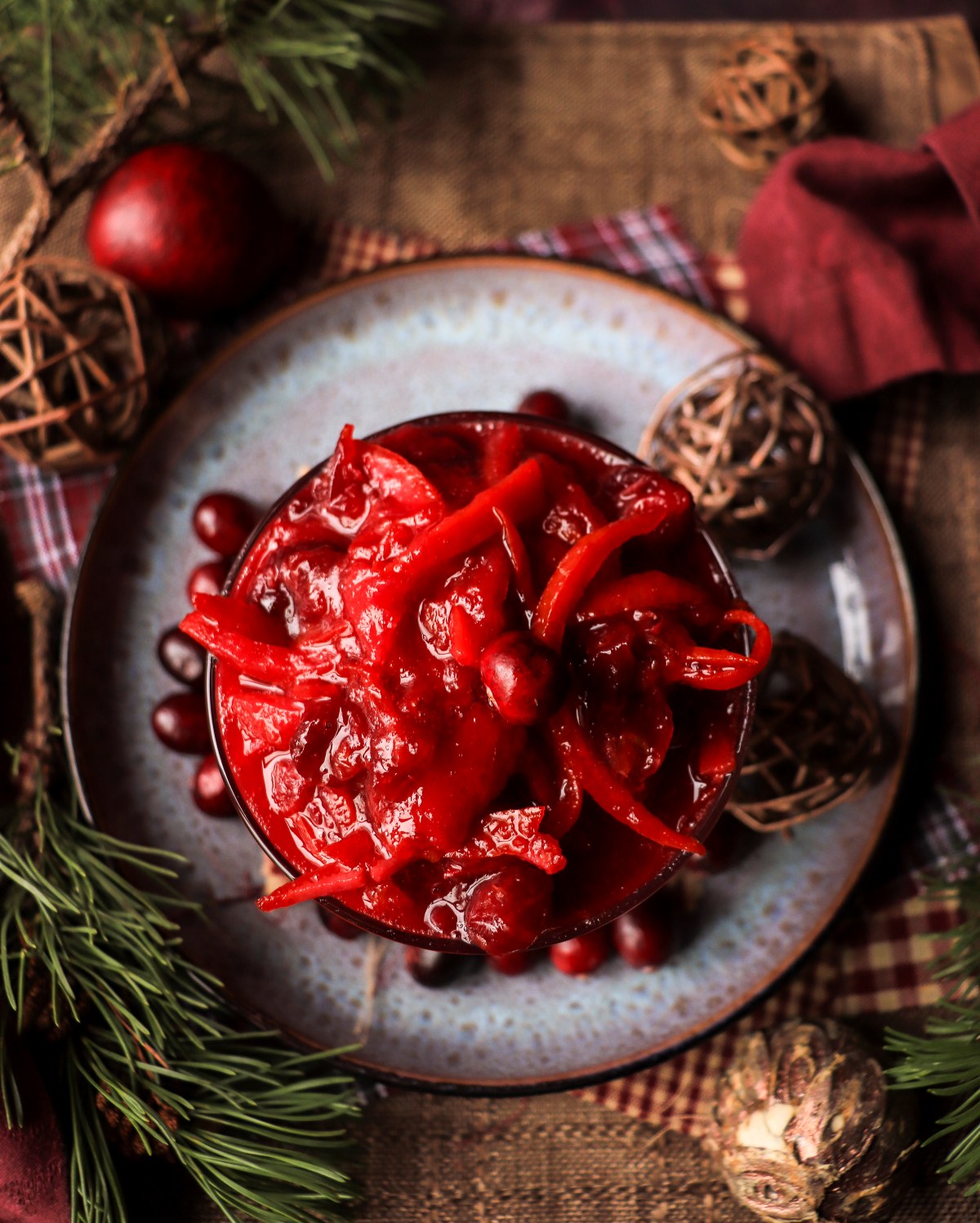
Tips for the Best Orange Cranberry Marmalade
A few small details make a difference when preparing this orange cranberry marmalade, particularly because the recipe uses a generous amount of fresh fruit and relatively little sugar.
- Don’t worry about every trace of white pith. Some thin pith is acceptable, but excessive thick pith can contribute unwanted bitterness.
- Use plenty of orange pulp. Don’t discard the usable flesh between the segments. It contributes texture and a fuller fruit flavour.
- Keep an eye on the consistency. The marmalade can become quite thick during simmering. Add a little water if necessary, as I did during testing.
- Allow some cranberry texture to remain. The softened berries and visible citrus strips give this preserve its appealing appearance and substantial texture.
How to Store Orange Cranberry Marmalade
Transfer the finished marmalade into clean, suitable containers and allow it to cool before refrigerating. For longer storage, freeze it in freezer-safe containers, leaving some room for expansion.
A few important considerations:
- Refrigeration: Keep the marmalade refrigerated. This should stay fresh for up to two weeks for sure.
- Canning: I am not an expert in home canning, so I cannot offer professional advice on whether this particular recipe is suitable for water-bath canning or other preservation methods. If you intend to store it at room temperature, consult a properly tested canning recipe and reliable canning guidelines. Do not assume that the recipe is shelf-stable.
- Alcohol: A splash of Triple Sec or another spirit can add flavour, but the small amount used should not be relied upon to extend shelf life or make the preserve safe for room-temperature storage.
How to Serve Orange Cranberry Marmalade
One of the nicest things about this orange cranberry marmalade is its versatility. The sweet-tart citrus flavour works beautifully with both breakfast favourites and savoury festive dishes.
Here are a few ways to enjoy it:
- Breakfast and brunch: Serve with toast, croissants, scones, pancakes or other pastries.
- Cheese boards: Pair with Brie, Camembert, aged cheddar or blue cheese. The fruity tartness provides a lovely contrast to rich, creamy cheeses.
- Festive appetizers: Spoon over bruschetta, spread onto flatbreads or use as a flavourful addition to puff pastry bites. It works particularly well alongside cheese, nuts and savoury toppings.
- Holiday entertaining: Serve alongside roasted meats or incorporate into festive appetizer platters.
- Baking and desserts: Use as a filling for pastries, a topping for cakes or an accompaniment to simple desserts.
- Homemade gifts: Transfer into small jars for a thoughtful addition to Christmas food hampers.
More Festive Preserves for The Holidays to Try
If you enjoy making homemade preserves, you might also like more recipes from the Hacoc in The Kitchen:
- Cointreau Orange Vanilla Marmalade – A Festive Boozy Preserve
- Port Wine Prune Jam – Festive Spiced Preserve Recipe
- Festive Pear Brandy Jam – A Less-Sweet Holiday Recipe
- Homemade Chestnut Jam with Brandy and Warm Spices
- Boozy Fig Jam for Holidays and Beyond
I’d love for you to try this orange cranberry jam recipe. If you give it a go, please share your results in the comments, message me on Instagram, or post your photos with the hashtag #havocinthekitchen. I look forward to seeing your creations and hearing your thoughts.
Cheers!
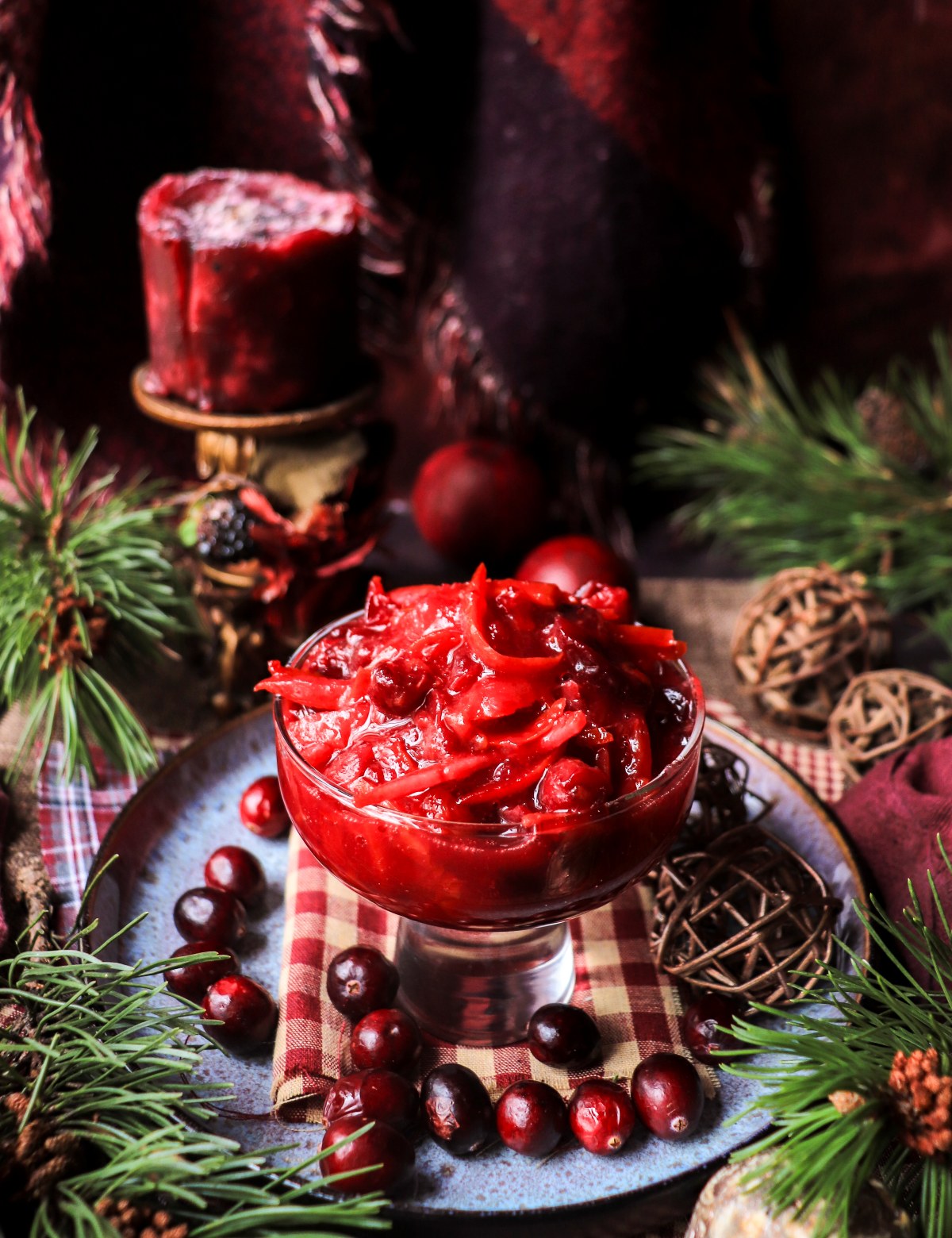
Orange Cranberry Marmalade
A vibrant, fruit-forward homemade marmalade combining fresh oranges, generous orange pulp, tender citrus peel and tart cranberries. Intentionally less sweet, it has a lovely balance of citrus bitterness and cranberry tang, making it a beautiful addition to festive breakfasts, cheese boards and holiday appetizers.